Understanding Natural Hazards in Wilderness Areas
Exploring wilderness areas offers unparalleled opportunities for connection with nature, adventure, and solitude. However, these environments are dynamic and can present various natural hazards that, if not understood and respected, can pose significant risks. Acknowledging the potential dangers and preparing adequately are fundamental aspects of responsible wilderness engagement. This comprehensive understanding enhances safety, promotes informed decision-making, and allows for a more fulfilling experience in the outdoors.
## What Are Natural Hazards?
Natural hazards in wilderness contexts are naturally occurring physical phenomena that have the potential to negatively impact individuals or groups. Unlike human-induced risks, these events are integral to the natural processes of an ecosystem. They can range from predictable seasonal occurrences to sudden, unpredictable events. Awareness of these phenomena, their characteristics, and their potential impact is a cornerstone of wilderness safety.
These hazards can be broadly categorized by their origin:
* **Geological Hazards:** Related to the earth’s crust and its processes.
* **Meteorological Hazards:** Associated with weather and atmospheric conditions.
* **Hydrological Hazards:** Involving water bodies and water cycles.
* **Wildfire Hazards:** Pertaining to uncontrolled fires in wildlands.
* **Biological Hazards:** Stemming from living organisms within the ecosystem.
## Categories of Natural Hazards in Wilderness
Understanding specific types of hazards helps in preparing for diverse wilderness environments.
### Geological Hazards
These hazards involve the earth’s physical structure and can often be dramatic and immediate.
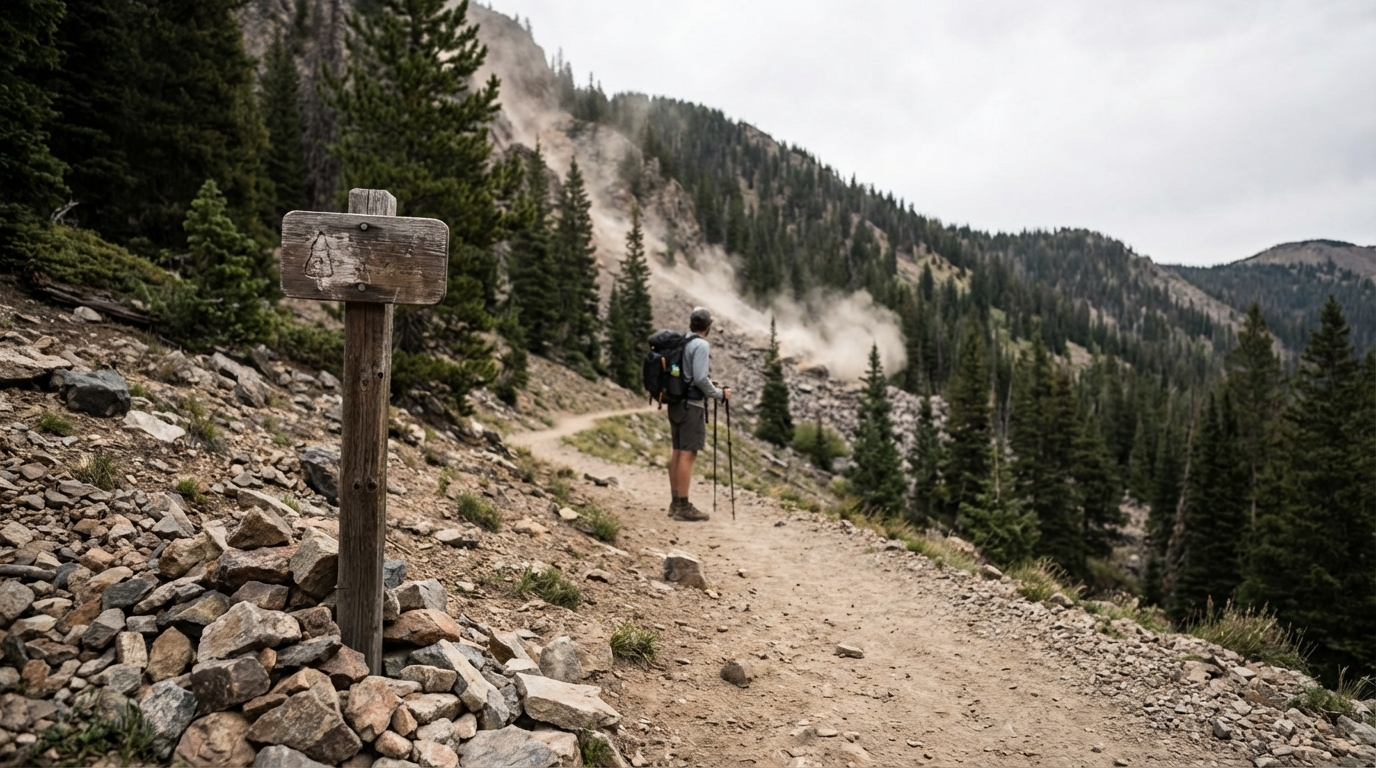
* **Rockfalls and Landslides:** Common in mountainous or steep terrain, these events involve the dislodgement and rapid descent of rocks or soil. They can be triggered by heavy rainfall, earthquakes, freeze-thaw cycles, or even human activity. Staying on marked trails and being observant of overhead hazards are important precautions.
* **Earthquakes:** In seismically active regions, earthquakes can occur without warning. While the direct shaking might not always be the primary danger in wilderness, associated risks like landslides, rockfalls, or tsunamis (if near coastal areas) are significant. During an earthquake, the general advice is to move to an open area if possible, away from cliffs, trees, and water bodies.
* **Volcanic Activity:** In areas with active volcanoes, hazards can include ashfall, lava flows, pyroclastic flows, and lahars (volcanic mudflows). Monitoring geological alerts and adhering to exclusion zones established by authorities are critical.
### Meteorological Hazards
Weather conditions are arguably the most frequently encountered and variable hazards in wilderness settings.
* **Thunderstorms and Lightning:** These can develop rapidly, especially in mountainous regions. Lightning strikes are a serious threat in open areas, on ridges, and near tall trees. Seeking shelter in a depression, a dense forest of shorter trees, or inside a vehicle (if available) is advisable. Avoiding metal objects and isolated tall structures is crucial.
* **Extreme Temperatures:**
* **Heat Exposure:** High temperatures combined with physical exertion and insufficient hydration can lead to heat exhaustion and heatstroke. Symptoms include dizziness, nausea, headache, and confusion. Adequate hydration, frequent breaks, and avoiding peak sun hours are preventive measures.
* **Cold Exposure:** Hypothermia, a dangerous drop in body temperature, can occur even in mild temperatures, especially if wet or exposed to wind. Frostbite, the freezing of body tissues, is another severe cold injury. Layered clothing, waterproof outer shells, proper nutrition, and staying dry are essential for preventing cold-related illnesses.
* **Blizzards and Heavy Snowfall:** These conditions can lead to whiteout conditions, disorientation, rapid temperature drops, and deep snow that makes travel difficult or impossible. Avalanches are a significant concern in snowy, mountainous terrain.
* **High Winds:** Strong winds can cause falling trees or branches, make hiking difficult, increase the risk of hypothermia, and complicate navigation.
* **Flash Floods:** Sudden, rapidly moving walls of water can occur in normally dry streambeds or canyons, often far from where the rain actually fell. They are extremely dangerous and can sweep away individuals and vehicles. Monitoring weather for upstream rain and avoiding low-lying areas during and after heavy rainfall are vital.
### Hydrological Hazards
Water features, while appealing, can present distinct dangers.
* **Swift Currents and Cold Water:** Rivers and streams can have deceptively strong currents, especially during periods of high flow. Attempting to cross unfamiliar water bodies can be risky. Cold water immersion can quickly lead to hypothermia, even in seemingly warm weather.
* **Avalanches:** Though also a meteorological hazard due to snow, avalanches are largely influenced by hydrological factors like snow depth, layering, and meltwater. They are massive slides of snow, ice, and rock down a mountainside, posing an extreme threat in avalanche terrain. Understanding snowpack stability, carrying appropriate gear (transceiver, shovel, probe), and knowing how to use them are essential for those venturing into avalanche-prone areas.
### Wildfire Hazards
Wildfires are a natural part of many ecosystems but can become significant hazards, especially during dry seasons.
* **Rapid Spread:** Fires can spread quickly, driven by wind, dry vegetation, and topography, potentially trapping individuals.
* **Smoke Inhalation:** Smoke can reduce visibility and cause respiratory issues, even at a distance from the fire’s front.
* **Unpredictability:** Fire behavior can change suddenly, making evacuation routes unreliable. Always check current fire conditions and restrictions before entering a wilderness area, and be prepared to alter plans or evacuate if conditions change.
### Biological Hazards
Living organisms in the wilderness can also pose risks.
* **Venomous Animals:** Snakes, spiders, scorpions, and certain insects possess venom that can cause pain, illness, or in rare cases, life-threatening reactions. Knowing which species are present in an area and how to avoid encounters is important.
* **Disease-Carrying Insects:** Ticks, mosquitoes, and fleas can transmit diseases such as Lyme disease, West Nile virus, and Rocky Mountain spotted fever. Using insect repellent, wearing appropriate clothing, and checking for ticks regularly can reduce exposure.
* **Poisonous Plants:** Contact with plants like poison ivy, poison oak, or stinging nettle can cause skin irritation, rashes, or allergic reactions. Learning to identify these plants and avoiding contact is crucial.
* **Large Animals:** Encounters with bears, mountain lions, moose, or other large wildlife can be dangerous. Understanding their behavior, storing food properly, making noise on trails, and knowing how to react in an encounter are important for safety.
## Factors Influencing Hazard Risk
Several elements contribute to the level of risk posed by natural hazards:
* **Seasonality:** Many hazards are seasonal. Snow and ice are dominant in winter, while wildfires and heat are prevalent in summer. Spring often brings high water levels and mudslides.
* **Topography:** Steep slopes increase the risk of rockfalls and landslides. Canyons are susceptible to flash floods. Exposed ridges are prone to lightning and high winds.
* **Weather Patterns:** Local and regional weather forecasts are critical. Rapid changes in weather can quickly escalate risks, especially in mountainous environments.
* **Human Activity:** Unintentional actions can sometimes increase risk, such as disturbing wildlife, improperly storing food, or venturing off established trails into fragile or hazardous areas.
## Mitigation and Preparation Strategies
Effective preparation is the foundation of safe wilderness travel.
* **Thorough Research:** Investigate the specific area, including its geography, climate, common hazards, and regulations. Consult park services, guidebooks, and online resources.
* **Weather Monitoring:** Consistently check weather forecasts before and during a trip. Be aware that mountain weather can change rapidly and differ from valley forecasts.
* **Appropriate Gear:** Pack clothing suitable for all potential weather conditions, including rain gear, insulating layers, and sun protection. Carry adequate water, food, navigation tools (map, compass, GPS), a first-aid kit, and an emergency shelter.
* **Communication Plan:** Inform someone reliable of your itinerary, expected return time, and contingency plans. Consider carrying a satellite messenger or personal locator beacon (PLB) for remote areas without cell service.
* **Wilderness Skills:** Acquire fundamental wilderness first aid knowledge, navigation skills, and the ability to build an emergency shelter.
* **Leave No Trace Principles:** Adhering to these principles minimizes human impact and helps maintain the natural integrity of wilderness areas, indirectly reducing certain hazards like wildlife habituation.
* **Physical Fitness:** Ensure you are physically prepared for the demands of your chosen activity and environment.
## Responding to a Hazard Event
Even with thorough preparation, unexpected events can occur.
* **Stay Calm and Assess:** Panicking can impair judgment. Take a moment to assess the situation, identify immediate threats, and evaluate your options.
* **Prioritize Safety:** Your safety and the safety of your group are paramount. If a situation becomes too risky, retreat or seek shelter.
* **Execute Emergency Plan:** If you have a pre-planned emergency response, put it into action. This might involve using your communication device, administering first aid, or constructing an emergency shelter.
* **Signal for Help:** If necessary, use appropriate signaling methods (whistle, mirror, satellite device) to alert others to your situation.
* **Use Sound Judgment:** Make decisions based on the current conditions, your skills, and the resources available. Do not hesitate to turn back if conditions are beyond your capabilities or equipment.
## Conclusion
The wilderness offers profound experiences, but it also demands respect for its inherent forces. Understanding the natural hazards present in these environments is not about instilling fear, but about fostering a proactive approach to safety. By educating ourselves about geological, meteorological, hydrological, wildfire, and biological risks, and by meticulously planning and preparing, we can navigate the challenges of the wild with greater confidence and responsibility, ensuring that our adventures remain enriching and safe.
## Frequently Asked Questions
**1. How can I research potential hazards before a wilderness trip?**
Research involves consulting a variety of sources. Start with official park or forest service websites, which often provide up-to-date information on trail conditions, weather alerts, and specific hazards for their areas. Topographic maps can reveal steep terrain or flood-prone areas. Local weather forecasts are crucial, and speaking with experienced locals or rangers can offer valuable insights.
**2. What communication tools are effective in remote wilderness areas?**
In areas without cell service, satellite communication devices are highly effective. These include satellite messengers that allow for two-way text communication and emergency SOS functions, and Personal Locator Beacons (PLBs) which transmit a distress signal to search and rescue services. A fully charged mobile phone can still be useful for GPS or photography, but its communication capabilities may be limited.
**3. How does weather variability impact the risk of natural hazards?**
Weather is a primary driver for many natural hazards. Rapid temperature drops can lead to hypothermia. Heavy rainfall can trigger flash floods, landslides, and make river crossings perilous. Strong winds increase the risk of falling trees and can exacerbate wildfire spread. Unpredictable weather patterns, especially in mountains, necessitate constant vigilance and preparedness for sudden changes.
**4. What steps should I take if I encounter a large, potentially dangerous animal in the wilderness?**
If you encounter a large animal, maintain a calm demeanor and avoid sudden movements. Do not approach the animal. Give it ample space and back away slowly while speaking in a calm, firm voice to make your presence known. If the animal continues to approach or acts aggressively, follow specific advice for that species, which often includes making yourself appear larger, making noise, or preparing to use deterrents like bear spray if necessary and legally permitted.
**5. Is it always safer to travel in a group in the wilderness?**
Traveling in a group generally offers increased safety due to shared resources, multiple perspectives for decision-making, and the ability to provide assistance in an emergency. However, group travel is not a guarantee of safety; group members must still be prepared, knowledgeable, and communicate effectively. Solo travel can be undertaken safely by experienced individuals who have robust preparation, emergency plans, and a deep understanding of wilderness survival.
Diana Miller, is a dedicated nature enthusiast and an outdoor adventurer. She began leading groups for excursions in her teens and never stopped. Following her passion for nature, she gathers her friends for outdoor trips every now and then. And for the last 10 years, she has executed workshops on backpacking, snow kayaking and traveling that included her main motive of lightweight packing while outdoors. During leisure, she loves planning for her next adventure.