
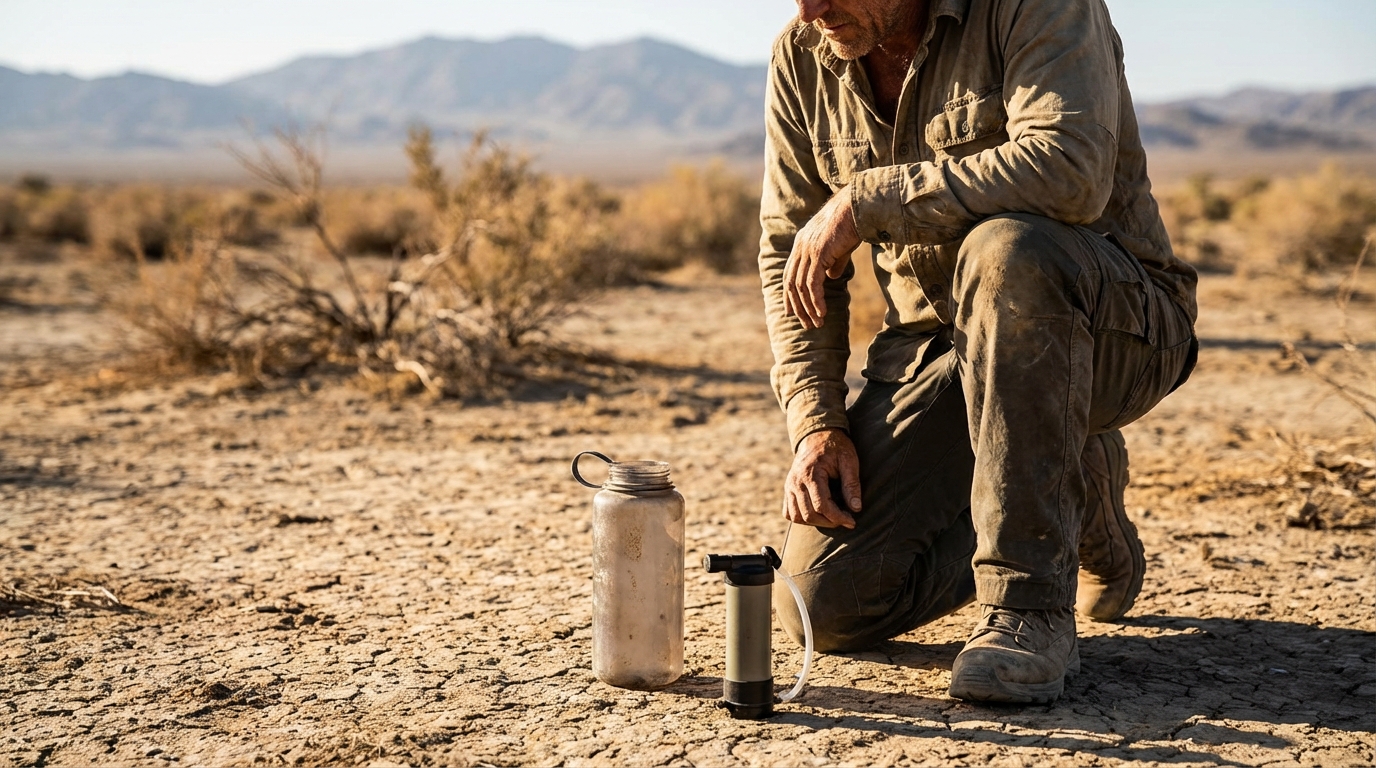
Understanding Water Needs in Survival Conditions
Water is not merely a commodity; it is the fundamental elixir of life, an essential component for every biological function within the human body. In a survival scenario, where resources are scarce and environmental stressors are high, the importance of water escalates dramatically, often overshadowing concerns about food, shelter, or even immediate safety after initial threats are managed. While humans can endure weeks without food, survival without water is typically measured in days, sometimes even hours, depending on the conditions. This blog post aims to shed light on the critical role of water in survival contexts, exploring the physiological needs, the various factors that influence these requirements, the dangers of dehydration, and fundamental strategies for water management and purification when facing extreme circumstances. Understanding these principles can significantly enhance preparedness and increase the chances of survival during an unexpected crisis.The Indispensable Role of Water in Human Physiology
Water constitutes a significant portion of the human body, typically around 50-70% of total body weight. Its ubiquitous presence underscores its vital involvement in nearly all bodily processes.Core Bodily Functions
- Temperature Regulation: Water helps dissipate heat through perspiration, preventing overheating in warm conditions and aiding in maintaining core body temperature.
- Nutrient and Oxygen Transport: It serves as the medium for blood, transporting essential nutrients, minerals, and oxygen to cells throughout the body.
- Waste Removal: Water is crucial for the kidneys to filter waste products from the blood, which are then excreted through urine.
- Lubrication and Cushioning: It lubricates joints, protects organs and tissues, and acts as a shock absorber for the brain and spinal cord.
- Digestion and Metabolism: Water is involved in the breakdown of food, the absorption of nutrients, and numerous metabolic reactions.
- Maintaining Cell Structure: It helps maintain the shape and integrity of cells and tissues.
Water Loss Mechanisms
The body continuously loses water through several natural processes, even at rest. These losses accelerate under survival conditions.- Respiration: Water vapor is exhaled with every breath.
- Perspiration (Sweat): The primary mechanism for cooling the body, leading to significant water loss, especially in hot environments or during physical exertion.
- Urination: The kidneys excrete excess water and waste products.
- Defecation: A small amount of water is lost through feces.
Factors Influencing Water Requirements in Survival
The amount of water an individual needs daily is not static; it varies widely based on a multitude of interacting factors, particularly in demanding survival scenarios.Environmental Conditions
- Temperature: Higher temperatures drastically increase water loss through perspiration. In extremely hot and dry conditions, daily water needs can easily double or triple compared to temperate climates.
- Humidity: Low humidity allows sweat to evaporate more quickly, increasing water loss. High humidity can hinder sweat evaporation, making it harder for the body to cool, yet still leading to significant fluid loss.
- Wind: Windy conditions accelerate sweat evaporation, contributing to higher water loss.
- Altitude: At higher altitudes, increased respiration rates and drier air can lead to greater fluid loss.
Physical Activity Level
Any form of physical exertion increases metabolic rate and body temperature, necessitating more significant water intake to prevent dehydration.- Resting/Minimal Activity: Even when resting, the body requires water for basic functions.
- Moderate Exertion: Activities like walking or light foraging will increase water needs.
- Strenuous Activity: Intense physical labor, hiking rugged terrain, or attempting a rescue can lead to rapid and substantial fluid loss, potentially requiring several liters of water per hour in extreme conditions.
Individual Physiological Factors
An individual’s physical characteristics and health status also play a crucial role.- Age: Children and older adults are generally more susceptible to dehydration.
- Body Weight: Larger individuals typically have greater fluid requirements.
- Health Status: Illnesses, especially those involving fever, vomiting, or diarrhea, dramatically increase water loss. Injuries can also elevate fluid needs due to tissue repair and inflammation.
- Acclimatization: Individuals accustomed to hot environments may be more efficient at managing body temperature and fluid balance, though their overall water needs remain elevated.
Diet and Food Consumption
The type of food consumed can impact water requirements.- High Protein/Salt Intake: Consuming foods high in protein or salt can increase the kidneys’ workload and the amount of water needed for waste excretion.
- Carbohydrates and Fats: These require less water for metabolism compared to proteins.
- Hydrating Foods: Some fruits and vegetables have high water content, which can contribute to hydration if available. However, relying solely on these in survival is generally not feasible.
Recognizing Dehydration: Symptoms and Stages
Dehydration occurs when the body loses more fluid than it takes in. Recognizing its signs early is paramount in a survival situation, as progression can be swift and severe.Early Signs
- Increased thirst, dry mouth.
- Reduced urine output, darker urine.
- Fatigue, lethargy.
- Headache, dizziness.
- Mild muscle cramps.
Moderate Dehydration
- Persistent thirst.
- Noticeably reduced urination.
- Increased heart rate and rapid breathing.
- Confusion, irritability, difficulty concentrating.
- Sunken eyes, lack of tears.
- Muscle weakness and severe cramping.
Severe Dehydration
This is a medical emergency requiring immediate intervention.- Inability to sweat.
- Low blood pressure, weak pulse.
- Rapid, shallow breathing.
- Organ failure (kidneys, liver).
- Loss of consciousness, delirium.
- Potentially fatal if untreated.
The “Rule of Threes” Reconsidered (for water specifically)
The common “rule of threes” suggests humans can survive for about 3 days without water. While this serves as a rough guide, it is a gross oversimplification. In extremely hot, dry, and windy conditions with high exertion, severe dehydration and incapacitation can occur in less than 24 hours. The actual survival time without water is highly variable and depends directly on the factors discussed above.Strategies for Water Management in Survival Scenarios
Effective water management encompasses finding, purifying, and conserving water resources.Prioritizing Water Procurement
In most survival scenarios, establishing a water source should be among the very first priorities after ensuring immediate safety.- Identifying Sources: Look for natural depressions, signs of animal activity leading to water, collect rainwater, dew, or melt snow/ice. Consider methods like solar stills or transpiration bags around leafy vegetation.
- Assessing Quantity: Estimate the amount of water available and the rate at which more can be collected.
Rationing Versus Regular Intake
A common dilemma in survival is whether to ration water or drink when thirsty.- Drink When Thirsty (if supply is secure): If a reliable water source has been found and secured, it is generally advisable to drink regularly to prevent dehydration, as rationing can lead to reduced physical and mental capacity, making survival tasks more difficult.
- Strategic Rationing (if supply is uncertain): If water is extremely scarce and future sources are highly uncertain, careful rationing might be necessary. This requires a deep understanding of one’s environment and physical limits, often prioritizing small, frequent sips to moisten the mouth and throat, rather than large gulps. However, strict rationing without intake can accelerate dehydration. The aim should always be to find more water.
Water Conservation Techniques
Minimizing water loss from the body is as crucial as finding new sources.- Reduce Physical Activity: Move as little as possible, especially during the hottest parts of the day.
- Seek Shade: Stay out of direct sunlight to lower body temperature and reduce perspiration.
- Cover Skin: Wearing loose-fitting, light-colored clothing can help protect from the sun and reduce evaporative loss.
- Avoid Dehydrating Substances: Refrain from consuming alcohol, caffeine, or excessively salty foods, as these increase fluid loss.
- Manage Breathing: Try to breathe through your nose to moisten inhaled air, reducing water loss from the respiratory tract.
Water Purification Fundamentals
Accessing water is only half the battle; ensuring it is safe for consumption is equally critical to prevent waterborne illnesses.Why Purification is Crucial
Untreated water, even from seemingly pristine sources, can harbor a variety of pathogens, including bacteria (e.g., E. coli, Salmonella), viruses (e.g., Norovirus, Hepatitis A), and protozoa (e.g., Giardia, Cryptosporidium). Ingesting contaminated water can lead to severe gastrointestinal distress, further accelerating dehydration and debilitating an individual, drastically reducing survival chances.Basic Purification Methods
While there are many advanced methods, some fundamental principles are widely applicable in survival.- Boiling: This is generally considered one of the most effective methods for eliminating most waterborne pathogens. Bringing water to a rolling boil for at least one minute (or longer at high altitudes) is sufficient to kill bacteria, viruses, and protozoa.
- Filtration (Physical Removal): Passing water through a fine medium can remove larger particulates, sediment, and some microscopic organisms. This often serves as a pre-treatment step before further purification.
- Chemical Treatment: Certain chemical compounds are effective at neutralizing pathogens. Common agents include chlorine dioxide tablets or solutions, and iodine. These require specific contact times and can sometimes impart a taste to the water. Understanding their proper application and limitations is important.
Conclusion
In the challenging realm of survival, water stands as the most critical resource, dictating the very limits of human endurance. A thorough understanding of our physiological water needs, the environmental and physical factors that influence them, and the insidious progression of dehydration is indispensable. Coupled with knowledge of water procurement, conservation techniques, and fundamental purification methods, individuals can significantly enhance their preparedness and resilience when faced with unexpected circumstances. Prioritizing water management is not merely a strategy; it is a testament to the essential knowledge that can make the difference between peril and perseverance.FAQs
Q1: How much water is generally needed daily in a survival situation?
A1: A minimum of 1 liter (approximately 34 fluid ounces) per day is often cited for basic survival in temperate conditions with minimal activity. However, this can increase to 4-6 liters (approximately 135-200 fluid ounces) or even more per day in hot environments, during strenuous physical activity, or if experiencing illness (e.g., fever, diarrhea).
Q2: Is it possible to drink too much water in a survival situation?
A2: Yes, while rare, excessive water intake, particularly without adequate electrolyte replenishment, can lead to hyponatremia (low sodium in the blood). This condition can cause confusion, seizures, and swelling of the brain, and can be life-threatening. The body’s natural thirst mechanism is usually a good guide, but extreme consumption should be avoided.
Q3: Can snow or ice be consumed directly?
A3: Directly consuming large quantities of snow or ice can significantly lower your core body temperature, leading to hypothermia, as the body expends energy to warm the ingested cold substance. It is always preferable to melt snow or ice into liquid water before consumption. Additionally, melted snow/ice should ideally be purified, as it may contain environmental contaminants.
Q4: How long can one survive without water?
A4: The “rule of threes” suggests approximately 3 days, but this is a broad generalization. Actual survival time without water can range from less than 24 hours in extreme heat and exertion to a few days under more favorable, cool, and restful conditions. Individual factors like age, health, and acclimatization also play a significant role.
Q5: What are the immediate steps if someone shows signs of severe dehydration?
A5: The immediate priority is to rehydrate the individual with small, frequent sips of water. If available, water with electrolytes is beneficial. Move the person to a cool, shaded area, loosen clothing, and attempt to lower their body temperature. Seek professional medical help as quickly as possible, as severe dehydration is a critical medical emergency.

Diana Miller, is a dedicated nature enthusiast and an outdoor adventurer. She began leading groups for excursions in her teens and never stopped. Following her passion for nature, she gathers her friends for outdoor trips every now and then. And for the last 10 years, she has executed workshops on backpacking, snow kayaking and traveling that included her main motive of lightweight packing while outdoors. During leisure, she loves planning for her next adventure.