
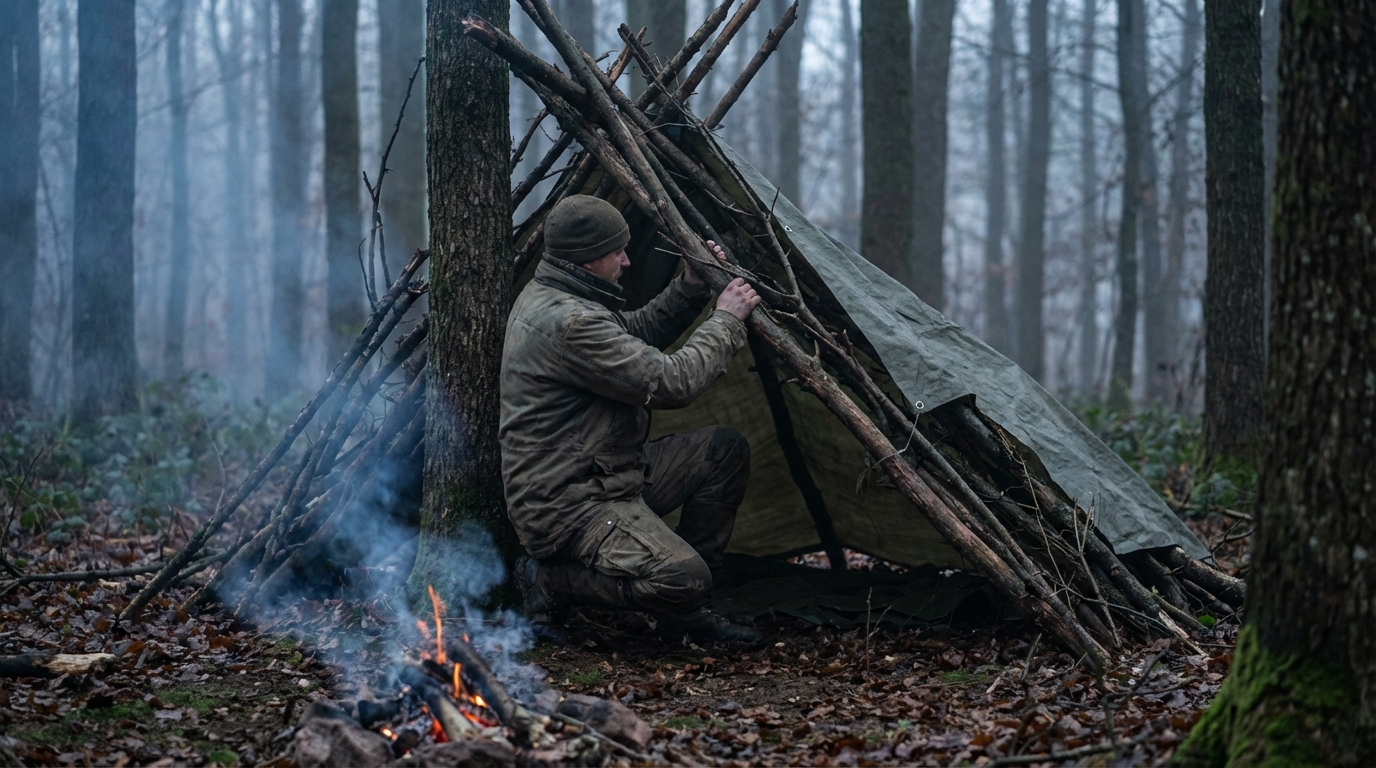
In any survival scenario, whether it’s an unexpected wilderness emergency, a natural disaster, or a societal disruption, understanding and prioritizing core needs is paramount. Among these fundamental requirements, shelter consistently emerges as a critical element. It’s often the second most immediate concern after immediate threats like severe injury or drowning, highlighting its significance in preserving life and well-being.
This post will delve into why shelter holds such a vital position in the hierarchy of survival needs, exploring its multifaceted role in protection, physiological stability, psychological resilience, and its impact on facilitating other essential survival tasks.
Understanding the Core Priorities of Survival
Survival principles often refer to the “Rule of Threes,” a guideline illustrating the approximate timeframes an average human can endure without certain necessities:
- Three minutes without air.
- Three hours without adequate shelter in extreme conditions.
- Three days without water.
- Three weeks without food.
While these are general estimates and can vary greatly depending on individual health and environmental factors, the “three hours” rule for shelter in harsh conditions underscores its immediate importance. Exposure to the elements can quickly lead to life-threatening situations, making the establishment of a protective space a primary objective once immediate danger is addressed.
Protection from Environmental Extremes
The human body is designed to function within a relatively narrow temperature range. Deviations from this range, caused by environmental factors, can rapidly lead to serious medical conditions. Shelter serves as a vital barrier against these external threats.
Cold Exposure and Hypothermia
In cold environments, without adequate protection, the body loses heat much faster than it can produce it. This leads to hypothermia, a condition where the body’s core temperature drops below 95°F (35°C). Symptoms range from shivering and confusion to loss of consciousness and cardiac arrest. A well-constructed shelter can significantly reduce heat loss by:
- Blocking wind, which rapidly draws heat away from the body.
- Insulating against cold ground or air.
- Providing a space where body heat can be trapped and shared.
Heat Exposure and Hyperthermia
Conversely, in hot environments, excessive heat can lead to heat exhaustion or heatstroke. Symptoms include severe dehydration, dizziness, nausea, and organ failure. Shelter provides crucial relief by:
- Offering shade from direct sunlight, reducing radiant heat gain.
- Allowing for passive cooling through ventilation.
- Creating a cooler microclimate where the body can more effectively dissipate heat.
Protection from Precipitation and Wind
Rain, snow, and hail can accelerate heat loss through conduction and convection, even in moderate temperatures. Wet clothing loses its insulating properties, making the individual more vulnerable. Strong winds exacerbate this effect, known as wind chill. A shelter designed to be waterproof and windproof is essential for staying dry and mitigating the effects of wind chill, thus preserving body heat.
Defense Against Sun Exposure
Prolonged exposure to direct sunlight carries risks beyond heatstroke, including severe sunburn, UV radiation damage, and long-term skin health issues. Shelter offers a simple yet effective defense, providing essential shade and reducing direct UV exposure.
Defense Against Hazards
Beyond environmental factors, shelter offers protection from various other dangers present in a survival setting.
Wildlife and Insects
Many environments harbor wildlife that could pose a threat, from large predators to venomous snakes and insects. A sturdy shelter, even a temporary one, can provide a physical barrier and a sense of security against these creatures. It can deter animals from approaching and offer a safe place away from biting insects that carry diseases or cause discomfort.
Natural Phenomena
High winds can dislodge branches or other debris. Flash floods can turn a camp into a dangerous zone. A thoughtfully chosen and constructed shelter site can mitigate risks from these phenomena. Positioning a shelter away from dead trees or unstable slopes, and on higher ground in flood-prone areas, is crucial.
Maintaining Physiological Stability
Shelter contributes significantly to the body’s ability to maintain its normal functions, which is vital for sustained survival.
Conserving Energy
When the body is constantly battling environmental stressors like cold or heat, it expends significant energy to regulate its temperature. A good shelter reduces this energy expenditure, allowing the survivor to conserve precious calories for other essential activities like foraging, signaling, or movement.
Ensuring Rest and Recovery
Sleep deprivation impairs judgment, coordination, and physical performance. Shelter provides a dedicated space where a survivor can rest, recover from physical exertion, and achieve essential sleep without constant vigilance against the elements or potential threats. This allows the body to repair and recharge, improving overall physical and mental capacity.
Psychological Well-being and Morale
The psychological aspect of survival is as crucial as the physical. Shelter plays a profound role in maintaining mental fortitude.
Sense of Security and Safety
Having a defined, enclosed space, however rudimentary, provides a profound sense of security. It creates a personal boundary, a refuge from the vast and potentially threatening wilderness. This feeling of safety can significantly reduce stress, anxiety, and the feeling of vulnerability.
Mental Resilience and Clarity
The ability to retreat to a relatively safe and stable environment allows the mind to process the situation, plan next steps, and maintain a positive outlook. Without a designated safe space, constant exposure to stressors can lead to panic, poor decision-making, and a decline in morale, which can be just as dangerous as physical threats.
Facilitating Other Survival Activities
A well-established shelter serves as a base camp, making other survival tasks more manageable and efficient.
- Fire Starting and Maintenance: A protected area within or adjacent to the shelter makes it easier to start a fire, keep it going in adverse weather, and contain its warmth.
- Water Collection and Purification: Shelters can be designed to collect rainwater. Supplies for water purification can be kept dry and organized within the shelter.
- Food Preparation and Storage: A sheltered space provides a clean, dry area for preparing food, processing game or foraged items, and storing supplies away from moisture and animals.
- First Aid and Medical Treatment: It offers a clean and private area to administer first aid, attend to injuries, and protect wounds from contamination.
- Signaling for Rescue: A visible shelter, especially if augmented with markers or flags, can serve as a fixed point for rescue teams to spot. It can also be a base from which signaling fires or mirrors are used.
Conclusion
The importance of shelter in any survival scenario cannot be overstated. It is far more than just a roof over one’s head; it is a multi-functional tool that addresses critical physiological needs, provides protection from myriad dangers, fosters psychological resilience, and acts as a central hub for all other survival activities. Prioritizing the establishment of effective shelter quickly and efficiently is a fundamental step towards increasing the chances of enduring challenging circumstances and ultimately, survival.
Frequently Asked Questions (FAQs)
Why is shelter often considered more urgent than water in extreme conditions?
While water is crucial for long-term survival, exposure to extreme temperatures (hot or cold) without shelter can lead to life-threatening conditions like hypothermia or heatstroke within a matter of hours. The body’s inability to regulate its core temperature can be fatal much faster than dehydration in some scenarios, making immediate shelter a top priority.
What are the primary dangers of not having adequate shelter in a cold environment?
The primary danger is hypothermia, which is a significant drop in core body temperature. Without protection from wind, rain, and cold air, the body rapidly loses heat. This can lead to disorientation, impaired judgment, loss of consciousness, and eventually cardiac arrest, often accelerated by wet clothing or strong winds.
How does shelter help with psychological well-being in a survival situation?
Shelter provides a vital sense of security, privacy, and control in an otherwise chaotic environment. It offers a psychological refuge from the elements and potential threats, reducing stress, anxiety, and fear. This feeling of safety allows for better decision-making, improved morale, and the ability to rest and recover, which are all essential for mental resilience.
Does a survival shelter need to be elaborately constructed to be effective?
Not necessarily. While a well-built shelter offers superior protection, any barrier that provides a degree of protection from wind, rain, sun, or ground cold can be effective, especially in the initial hours. The key is to create a microclimate that helps regulate body temperature, conserve energy, and offer a sense of safety, using whatever materials are readily available.
How can shelter assist in rescue efforts?
A visible shelter can serve as a fixed point for search and rescue teams. Its location can be marked with signaling devices, and the shelter itself can provide a base from which to conduct signaling efforts like building a signal fire or using reflective materials. It also allows the survivor to stay in one relatively protected location, making them easier to find.

Diana Miller, is a dedicated nature enthusiast and an outdoor adventurer. She began leading groups for excursions in her teens and never stopped. Following her passion for nature, she gathers her friends for outdoor trips every now and then. And for the last 10 years, she has executed workshops on backpacking, snow kayaking and traveling that included her main motive of lightweight packing while outdoors. During leisure, she loves planning for her next adventure.