
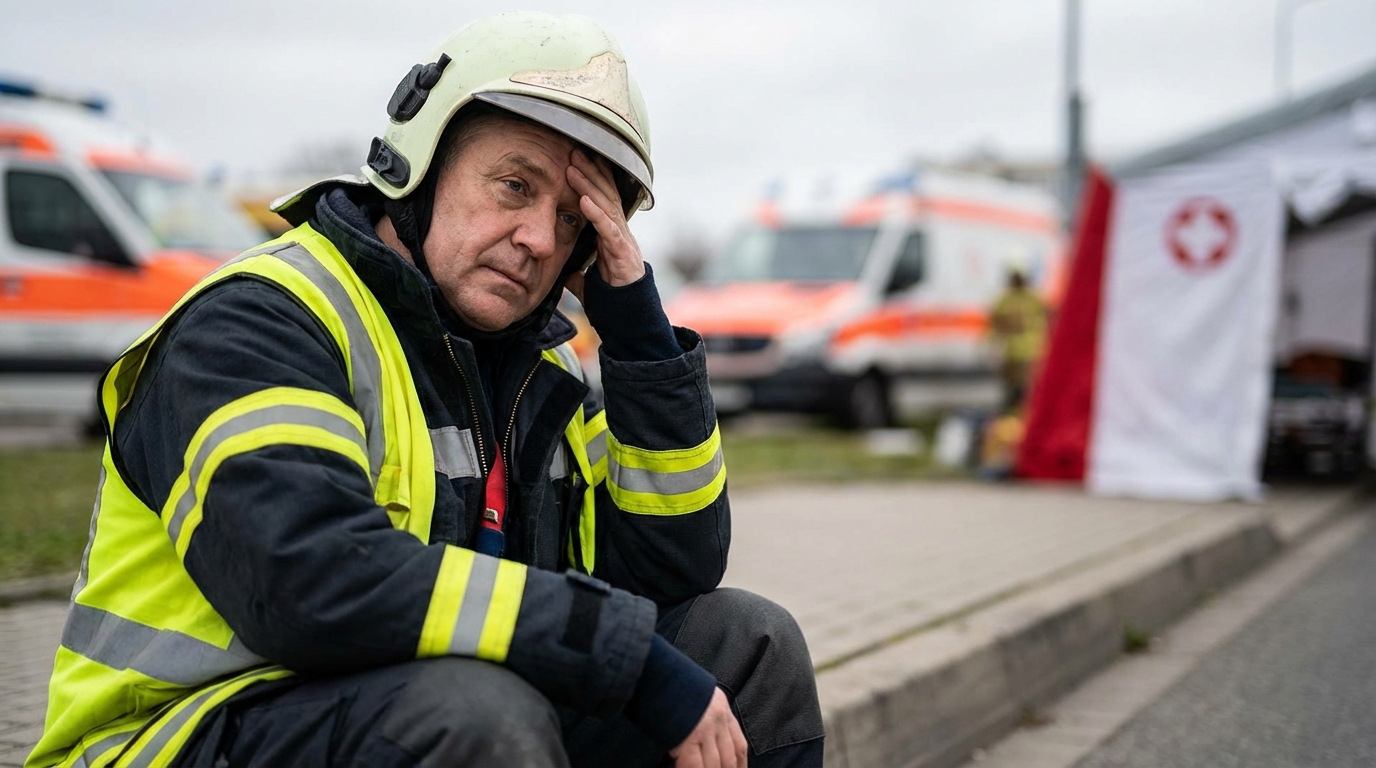
Understanding Psychological Stress in Emergencies
The sudden onset of an emergency, whether a natural disaster, a public health crisis, or a human-made catastrophe, profoundly disrupts the fabric of daily life. Beyond the immediate physical dangers and logistical challenges, such events invariably inflict significant psychological stress on individuals and communities. Understanding the nature, manifestations, and management of this stress is crucial for fostering resilience, supporting recovery, and mitigating long-term impacts on mental well-being. This exploration delves into the complexities of psychological stress in emergency settings, offering insights into its triggers, responses, and approaches to support.The Nature of Psychological Stress in Emergency Settings
Psychological stress in an emergency refers to the emotional, cognitive, and physiological reactions experienced when an individual perceives a threat to their well-being, safety, or stability, and feels their coping resources are overwhelmed. It is a natural, albeit often overwhelming, response to extraordinary circumstances.Triggers and Stressors
Emergencies present a unique array of stressors that can trigger significant psychological distress:- Direct Threat to Life and Safety: Experiencing immediate danger, witnessing injury or death, or fearing for one’s own life or the lives of loved ones.
- Loss and Disruption: The loss of family members, friends, homes, possessions, livelihoods, or community infrastructure. The disruption of routines, social networks, and a sense of normalcy is also a major stressor.
- Uncertainty and Unpredictability: Not knowing what will happen next, how long the emergency will last, or what the future holds can be deeply unsettling.
- Exposure to Traumatic Events: Being exposed to disturbing sights, sounds, or smells associated with the emergency, or hearing graphic accounts from others.
- Information Overload or Lack of Reliable Information: Conflicting reports, sensationalized media, or a complete absence of trustworthy information can heighten anxiety and confusion.
- Separation and Isolation: Being separated from family members or support systems, or experiencing social isolation due to quarantine or displacement.
- Moral Dilemmas and Guilt: Faced with impossible choices, or experiencing survivor’s guilt or feelings of helplessness.
Physiological and Psychological Responses
The human body and mind are wired to react to perceived threats. In an emergency, these reactions are amplified:- Physiological Responses: The “fight, flight, or freeze” response is activated. This involves the rapid release of stress hormones like adrenaline and cortisol, leading to:
- Increased heart rate and blood pressure.
- Rapid breathing.
- Muscle tension.
- Digestive issues (nausea, stomach upset).
- Sleep disturbances (insomnia, nightmares).
- Fatigue and exhaustion.
- Psychological Responses: These can vary widely but commonly include:
- Emotional Reactions: Intense fear, anxiety, panic, profound sadness, anger, irritability, numbness, or a sense of hopelessness.
- Cognitive Impairment: Difficulty concentrating, memory problems, confusion, disorientation, impaired decision-making, or intrusive thoughts about the event.
- Behavioral Changes: Withdrawal from others, increased vigilance, changes in appetite, increased use of coping substances, or difficulty performing daily tasks.
- Dissociation: Feeling detached from one’s body, thoughts, or surroundings, or experiencing a sense of unreality.
Manifestations of Stress During and After Emergencies
The way psychological stress manifests can change over time, from immediate reactions to more prolonged responses.Acute Stress Reactions
Immediately following an emergency, individuals may experience acute stress reactions that are intense but often resolve within a few days or weeks. These can include:- Intense fear, helplessness, or horror.
- Recurrent, intrusive thoughts, images, or flashbacks of the traumatic event.
- Distressing dreams related to the event.
- Efforts to avoid thoughts, feelings, or external reminders of the event.
- Hypervigilance and an exaggerated startle response.
- Difficulty sleeping or concentrating.
- Irritability or anger.
- Emotional numbness or a feeling of being in a daze.
Common Stress-Related Reactions (Short-to-Medium Term)
Even after the immediate danger has passed, individuals may continue to exhibit various stress-related reactions for weeks or months. These are often normal responses to abnormal circumstances and include:- Persistent anxiety, worry, or nervousness.
- Changes in mood, such as increased irritability, sadness, or episodes of unexplained crying.
- Social withdrawal or a reluctance to engage in previously enjoyed activities.
- Difficulty returning to normal routines or fulfilling responsibilities.
- Increased sensitivity to noise or sudden movements.
- Physical complaints without an apparent medical cause, such as headaches, digestive issues, or muscle aches.
- Feelings of guilt or self-blame.
- A sense of ongoing fatigue or exhaustion.
Prolonged Stress Responses and Their Implications
For some individuals, stress reactions can persist and intensify, leading to prolonged psychological distress. If symptoms do not abate after several weeks or months, or if they significantly impair daily functioning, they may indicate a more enduring mental health challenge, such as Post-Traumatic Stress (PTS), depression, or anxiety disorders. Prolonged stress can have significant implications for:- Overall Well-being: Diminished quality of life, persistent emotional distress.
- Relationships: Strain on family, friendships, and community ties due to irritability, withdrawal, or difficulty connecting.
- Daily Functioning: Impaired ability to work, study, care for oneself, or engage in necessary recovery efforts.
- Physical Health: Chronic stress can weaken the immune system, exacerbate existing health conditions, and contribute to new ones.
Factors Influencing Stress Vulnerability and Resilience
Not everyone reacts to emergencies in the same way. A combination of individual, environmental, and social factors influences how vulnerable someone is to psychological stress and how resilient they can be.Individual Factors
- Prior Trauma or Mental Health History: Individuals with a history of trauma, mental health conditions, or chronic stress may be more susceptible to severe reactions.
- Coping Mechanisms: Existing adaptive coping strategies (e.g., problem-solving, seeking social support) can enhance resilience, while maladaptive ones (e.g., substance use, avoidance) can exacerbate stress.
- Personality Traits: Traits like optimism, self-efficacy, and a sense of control can foster resilience.
- Age and Developmental Stage: Children and older adults are often more vulnerable due to their developmental stage, dependence on others, or reduced physical and cognitive reserves.
- Physical Health Status: Pre-existing health conditions or physical injuries sustained during the emergency can add to the psychological burden.
Environmental and Social Factors
- Social Support Networks: Strong connections with family, friends, and community members provide crucial emotional, practical, and informational support, acting as a buffer against stress.
- Access to Resources: Availability of basic necessities like shelter, food, clean water, medical care, and reliable information significantly impacts stress levels.
- Sense of Community Cohesion: A strong, supportive community can foster a sense of collective efficacy and shared responsibility, aiding recovery.
- Duration and Intensity of the Emergency: Prolonged or highly destructive emergencies tend to cause greater and more widespread psychological distress.
- Post-Emergency Environment: Ongoing threats, slow recovery, bureaucratic hurdles, or lack of security in the aftermath can prolong stress.
Approaches to Managing Psychological Stress in Emergency Contexts
Addressing psychological stress in emergencies requires a multi-faceted approach, encompassing immediate support, promotion of self-care, and professional intervention when needed.Immediate Support Strategies
Immediately following a traumatic event, the focus is on providing humane, supportive, and practical assistance. Psychological First Aid (PFA) is a widely recognized framework for this purpose. PFA is not professional counseling but rather a set of principles that anyone can apply to help people in distress. Its core actions include:- Connecting with People: Approaching individuals in a non-intrusive, compassionate, and helpful manner.
- Ensuring Safety and Comfort: Helping people meet their basic needs and feel safe.
- Calming and Orienting: Helping distressed individuals feel calm and grounded.
- Connecting to Social Support: Facilitating contact with loved ones and support networks.
- Providing Practical Help: Assisting with immediate concerns, problems, and access to services.
- Protecting from Further Harm: Ensuring privacy, dignity, and protection from additional stressors.
Promoting Self-Care and Community Resilience
Encouraging self-care practices and fostering community resilience are essential for long-term recovery:- Maintain Routines: Where possible, try to maintain daily routines for eating, sleeping, and personal hygiene, as this can provide a sense of normalcy and control.
- Engage in Physical Activity: Moderate exercise can help reduce stress hormones and improve mood.
- Practice Relaxation Techniques: Deep breathing, mindfulness, or progressive muscle relaxation can help manage acute stress responses.
- Connect with Others: Share feelings with trusted individuals, seek and offer mutual support within the community.
- Limit Exposure to Distressing Media: While staying informed is important, continuous exposure to news coverage of the emergency can heighten anxiety.
- Help Others: Engaging in altruistic actions, when appropriate, can foster a sense of purpose and connection.
- Acknowledge Feelings: Understand that fear, sadness, and anger are normal reactions to abnormal events.
The Role of Professional Support
While many stress reactions are temporary, some individuals will require professional mental health support. It is important to seek help if:- Symptoms of distress are severe, persistent, and do not improve over several weeks or months.
- Stress reactions significantly interfere with daily functioning, relationships, or work.
- There are thoughts of self-harm or harming others.
- Coping mechanisms become unhealthy or dangerous (e.g., excessive substance use).
Conclusion
Psychological stress is an unavoidable and significant aspect of emergencies. From the immediate shock and disruption to the prolonged challenges of recovery, individuals and communities face immense pressure. Recognizing the diverse ways stress can manifest, understanding the factors that influence vulnerability and resilience, and implementing effective support strategies are fundamental. By promoting immediate psychological first aid, encouraging self-care, building community resilience, and ensuring access to professional help, we can collectively work towards mitigating the psychological toll of emergencies and fostering environments that support healing and long-term well-being. A compassionate and informed response to psychological stress is as crucial as the physical relief efforts during and after any crisis.FAQs
1. What is psychological stress in an emergency context?
Psychological stress in an emergency refers to the emotional, cognitive, and physiological reactions experienced by individuals when confronted with threats to their safety, well-being, or stability during a crisis, often feeling that their coping resources are overwhelmed.
2. How does stress manifest physically and emotionally during an emergency?
Physically, stress can manifest as increased heart rate, rapid breathing, muscle tension, sleep disturbances, fatigue, and digestive issues. Emotionally, it can appear as intense fear, anxiety, panic, sadness, anger, irritability, emotional numbness, difficulty concentrating, or intrusive thoughts about the event.
3. Are children affected differently by emergency stress than adults?
Yes, children often react differently based on their age and developmental stage. Younger children may show regressive behaviors (e.g., bedwetting, clinging), increased irritability, or difficulty separating from caregivers. Older children and adolescents might exhibit withdrawal, changes in academic performance, risk-taking behaviors, or physical complaints. Their understanding and ability to express distress differ from adults, making observation of behavioral changes particularly important.
4. What is Psychological First Aid (PFA)?
Psychological First Aid (PFA) is a humane, supportive, and practical response to people suffering from severe crisis events. It involves providing non-intrusive care, ensuring safety and comfort, helping individuals calm down, connecting them to social support and information, and offering practical assistance to meet immediate needs. PFA is not professional counseling but a framework for initial support.
5. When should someone seek professional help for stress related to an emergency?
It is advisable to seek professional help if stress symptoms are severe, persistent, and do not improve after several weeks or months; if they significantly interfere with daily functioning, relationships, or work; if there are thoughts of self-harm; or if coping mechanisms become unhealthy, such as excessive substance use. Mental health professionals can provide tailored support and treatment.

Diana Miller, is a dedicated nature enthusiast and an outdoor adventurer. She began leading groups for excursions in her teens and never stopped. Following her passion for nature, she gathers her friends for outdoor trips every now and then. And for the last 10 years, she has executed workshops on backpacking, snow kayaking and traveling that included her main motive of lightweight packing while outdoors. During leisure, she loves planning for her next adventure.