
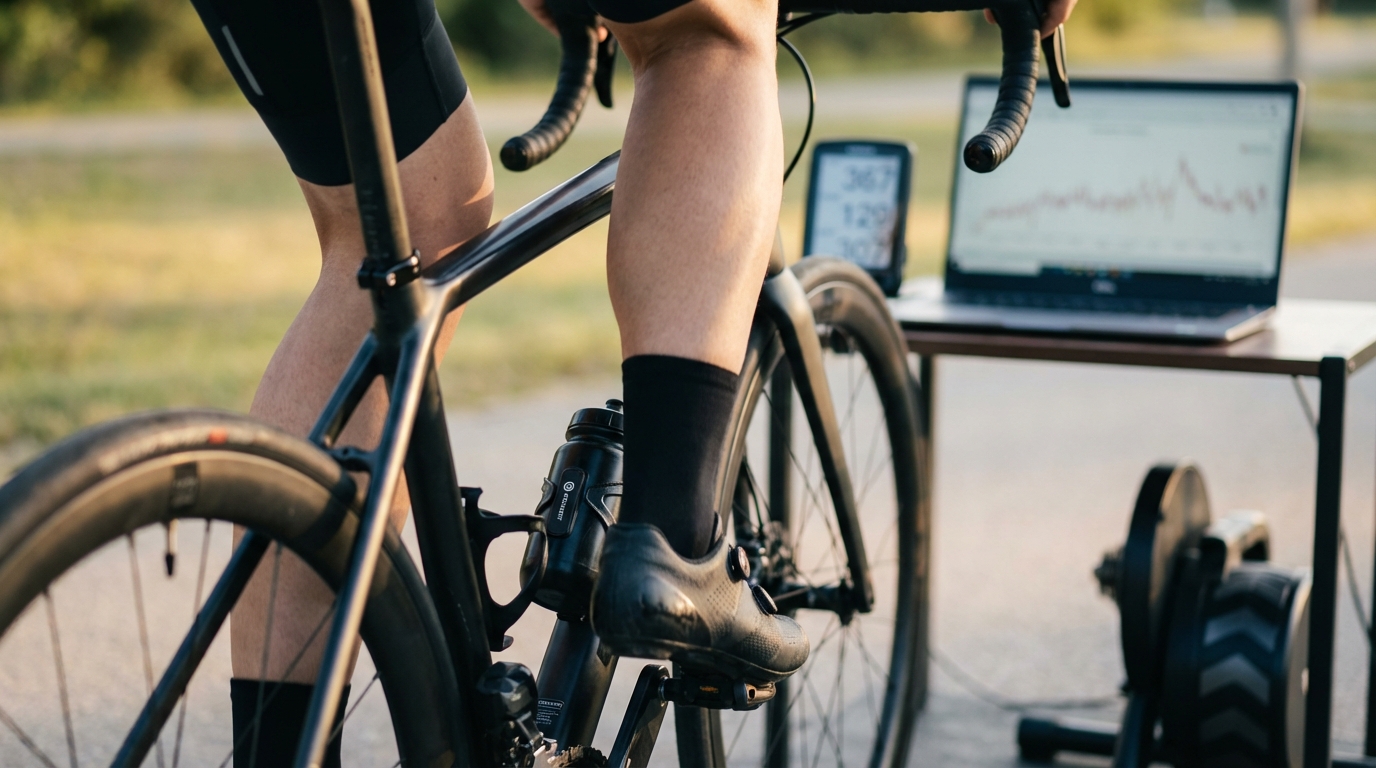
Understanding Cycling Power Output Measurements
Cycling has evolved significantly beyond simply tracking speed and distance. For many cyclists, understanding and utilizing power output data has become a cornerstone of effective training, performance analysis, and strategic pacing. Power output offers a direct and objective measurement of the work a cyclist is performing, providing invaluable insights that other metrics, such as heart rate or perceived exertion, cannot fully capture. This objective data allows for a scientific approach to cycling, enabling riders to quantify their efforts, track progress precisely, and tailor their training with unprecedented accuracy.
This article will delve into the fundamentals of cycling power output, exploring how it’s measured, the key metrics derived from this data, and how cyclists can interpret and apply these insights to enhance their riding experience and performance.
What is Cycling Power Output?
At its core, power output in cycling refers to the rate at which a cyclist is doing work. In physics, power is defined as work divided by time. When applied to cycling, it’s the product of the force applied to the pedals and the speed at which those pedals are turning. The standard unit of measurement for power is the Watt (W).
Unlike speed, which can be heavily influenced by external factors like wind, gradient, and drafting, or heart rate, which is a physiological response that can lag behind effort and be affected by stress, fatigue, or caffeine, power output is a direct measure of mechanical effort. This makes it an exceptionally reliable and consistent metric for evaluating a cyclist’s performance and physiological demands.
The Science Behind Power Measurement
The calculation of cycling power output is rooted in the fundamental physics principle: Power = Torque × Angular Velocity.
- Torque: This represents the rotational force applied to the bicycle’s drivetrain. It’s a measure of how hard a cyclist is pushing down and pulling up on the pedals.
- Angular Velocity: This refers to the speed at which the pedals are rotating, commonly known as cadence, measured in revolutions per minute (RPM).
In practical terms, power meters employ strain gauges—tiny electrical sensors that detect minute deformations (strains) when a force is applied. These strain gauges are strategically placed within a component of the bicycle’s drivetrain (e.g., crank arm, pedal axle, hub). As the cyclist pedals, the component slightly deforms, and the strain gauges convert this mechanical deformation into an electrical signal. This signal is then processed to calculate the torque. Simultaneously, an accelerometer or magnet-based sensor measures the angular velocity (cadence). The power meter then combines these two values to provide a real-time power output in Watts, typically displayed on a cycling computer or smartphone.
Methods of Power Measurement
Power can be measured at various points within the bicycle’s drivetrain, each location offering distinct characteristics in terms of data collection and installation. The underlying principle of torque and angular velocity measurement remains consistent, but the practical application varies:
-
Crank-based Measurement
Systems that measure power at the crank arm or spider are widely utilized. Strain gauges are integrated directly into one or both crank arms or into the spider (the part of the crankset that holds the chainrings). These systems measure the force applied to the cranks as they rotate, providing a comprehensive measure of power generated throughout the pedal stroke. Some systems offer dual-sided measurement, providing independent power readings for the left and right legs, which can reveal imbalances.
-
Pedal-based Measurement
Power measurement within the pedal body or spindle offers direct force measurement at the point of contact between the rider’s foot and the bicycle. These systems often integrate all necessary electronics and sensors within the pedal itself, making them relatively easy to transfer between bicycles. Like some crank-based systems, pedal-based meters can often provide left/right power balance data.
-
Hub-based Measurement
These systems integrate the power measurement technology into the rear wheel hub. As the rear wheel rotates under load, the hub’s internal mechanism measures the torque being transferred from the drivetrain to the wheel. Hub-based power meters measure the power delivered to the road after losses through the drivetrain. They are generally robust and provide consistent data.
-
Spider-based Measurement
Integrated into the spider of the crankset, these systems measure the overall torque transmitted to the chainrings. This is a common and often highly accurate method, as it measures the combined power of both legs before it is transferred to the chain. Spider-based systems typically provide a single, combined power value.
Each measurement location has its own considerations regarding installation, potential for left/right balance data, and overall system integration, but all aim to provide accurate, repeatable power readings.
Key Power Metrics and Terminology
Beyond instantaneous power, several derived metrics are crucial for understanding and utilizing power data effectively:
-
Average Power (AP)
This is the simple mathematical average of all power readings over a specified duration (e.g., an entire ride, an interval). While straightforward, it can sometimes be misleading as it doesn’t account for periods of zero power (coasting) or significant fluctuations in intensity.
-
Normalized Power (NP)
Normalized Power is an estimate of the power a rider could have maintained for the same physiological cost if the power output had been perfectly constant. It uses an algorithm to smooth out fluctuations and give a truer reflection of the metabolic cost of a varying effort, making it particularly useful for rides with frequent accelerations and decelerations (e.g., group rides, criteriums).
-
Functional Threshold Power (FTP)
FTP is a cornerstone metric, defined as the maximal power a rider can maintain for approximately 60 minutes. It’s typically determined through a controlled test, such as a 20-minute maximal effort, with the resulting average power adjusted (e.g., 95% of 20-minute average) to estimate the hour-long threshold. FTP serves as a benchmark for fitness, a basis for setting training zones, and a measure of progress.
-
Intensity Factor (IF)
IF is a measure of the relative intensity of a ride or workout. It’s calculated as Normalized Power (NP) divided by Functional Threshold Power (FTP). An IF of 1.0 would indicate an effort at exactly FTP, while a lower IF signifies an easier ride and a higher IF (typically for short durations) suggests an effort above FTP.
-
Training Stress Score (TSS)
TSS quantifies the overall physiological load and stress of a training session or race. It’s calculated based on the duration, Intensity Factor, and FTP. TSS helps cyclists manage their training load, prevent overtraining, and plan recovery. Higher TSS values generally indicate a harder and longer workout.
-
Power-to-Weight Ratio
Expressed in Watts per kilogram (W/kg), this ratio is derived by dividing a rider’s power output by their body weight. It is especially critical for climbing performance, as it indicates how effectively a rider can move their own mass uphill against gravity. A rider with a higher power-to-weight ratio will typically perform better on ascents.
-
Cadence
Cadence, measured in revolutions per minute (RPM), is the rate at which the pedals are turned. While not a power metric itself, it is a key component in the power calculation (angular velocity) and significantly influences how power is produced. Cyclists often experiment with different cadences to find what is most efficient and sustainable for various efforts.
Interpreting and Utilizing Power Data
The true value of power data lies in its application to training and performance:
-
Establishing Baselines and Tracking Progress
Regular FTP testing provides a quantifiable baseline of fitness. By repeating these tests periodically, cyclists can objectively track improvements or identify areas for focus. Increases in FTP over time indicate enhanced endurance and strength.
-
Structured Training Zones
Based on a rider’s FTP, specific power zones can be established. Each zone corresponds to a different physiological system and elicits distinct adaptations. Training within these zones ensures workouts target specific goals, such as building endurance, improving threshold power, or developing anaerobic capacity.
- Zone 1: Active Recovery (Below 55% FTP) – Very light pedaling, aiding recovery.
- Zone 2: Endurance (56-75% FTP) – Steady, aerobic effort for building base fitness.
- Zone 3: Tempo (76-90% FTP) – Moderately hard, sustainable effort, improves aerobic capacity.
- Zone 4: Threshold (91-105% FTP) – Hard, challenging effort at or just above FTP, improves sustained power.
- Zone 5: VO2 Max (106-120% FTP) – Very hard, short efforts to improve maximal oxygen uptake.
- Zone 6: Anaerobic Capacity (121-150% FTP) – Extremely hard, very short efforts to improve anaerobic power.
- Zone 7: Neuromuscular Power (Maximal Efforts) – Short, explosive sprints for peak power development.
-
Pacing Strategies
During races, time trials, or long events, power meters allow riders to maintain a precise effort level, preventing them from starting too fast and “blowing up” or not pushing hard enough. Maintaining a target power output ensures an optimal and sustainable pace.
-
Performance Analysis
Post-ride analysis of power data can reveal strengths and weaknesses. For instance, strong peak power numbers but a low FTP might indicate a good sprinter needing more endurance work. Consistent power drops on climbs could highlight a need to improve power-to-weight ratio. Advanced analysis platforms allow for detailed examination of specific intervals, power curves, and left/right balance.
Calibration and Data Accuracy
To ensure consistent and accurate readings, it is important to perform regular calibration or “zero-offset” procedures as recommended by the power meter manufacturer. This process accounts for any minor changes in the strain gauges due to temperature fluctuations or installation variations. Proper installation and occasional checks for any physical damage are also important for maintaining data integrity. While power meters are designed for accuracy, understanding their specific operating parameters and performing routine maintenance will help ensure reliable data collection over time.
Conclusion
Cycling power output measurements have transformed the way cyclists approach their sport, offering a precise and objective lens through which to view performance. From understanding the fundamental science of torque and angular velocity to interpreting advanced metrics like Normalized Power and Training Stress Score, power data provides actionable insights for athletes of all levels. By establishing baselines, training within specific zones, and analyzing performance with these powerful tools, cyclists can unlock new levels of efficiency, progress, and enjoyment in their riding journey.
Frequently Asked Questions (FAQs)
Q1: How often should I perform an FTP test?
A1: It’s generally recommended to perform an FTP test every 4-8 weeks, especially during structured training blocks. This helps to adjust training zones to your current fitness level and accurately track progress. If you’ve had a significant break from training or feel your fitness has changed, an earlier test might be beneficial.
Q2: What’s the difference between Average Power and Normalized Power?
A2: Average Power (AP) is the simple arithmetic mean of all power readings over a specific period. Normalized Power (NP) is an estimate of the power you could have maintained for the same physiological cost if your power output had been perfectly constant, accounting for fluctuations and periods of coasting. NP is often a better indicator of the true metabolic stress of a varied ride.
Q3: Can I train with power indoors?
A3: Absolutely. Indoor cycling trainers often integrate power measurement capabilities or are compatible with existing power meters on your bicycle. Training indoors with power provides a highly controlled environment, free from external factors like wind or traffic, making it ideal for structured workouts and precise power zone adherence.
Q4: Is power-to-weight ratio more important than raw power?
A4: Both are important, but their relative significance depends on the cycling discipline. Raw power (absolute Watts) is crucial for flat-terrain speed, time trials, and overcoming air resistance. Power-to-weight ratio (Watts/kg) is critical for climbing performance, as it dictates how effectively a cyclist can move their body mass against gravity. A cyclist might have high raw power but struggle on climbs if their power-to-weight ratio is low, and vice-versa.
Q5: Do I need a power meter to be a good cyclist?
A5: While a power meter is an exceptionally powerful tool for training and performance analysis, it is not a prerequisite for being a skilled or accomplished cyclist. Many excellent cyclists train effectively using heart rate, perceived exertion, and traditional methods. However, for those seeking objective data, precise training control, and advanced performance insights, a power meter offers significant advantages.

Diana Miller, is a dedicated nature enthusiast and an outdoor adventurer. She began leading groups for excursions in her teens and never stopped. Following her passion for nature, she gathers her friends for outdoor trips every now and then. And for the last 10 years, she has executed workshops on backpacking, snow kayaking and traveling that included her main motive of lightweight packing while outdoors. During leisure, she loves planning for her next adventure.