
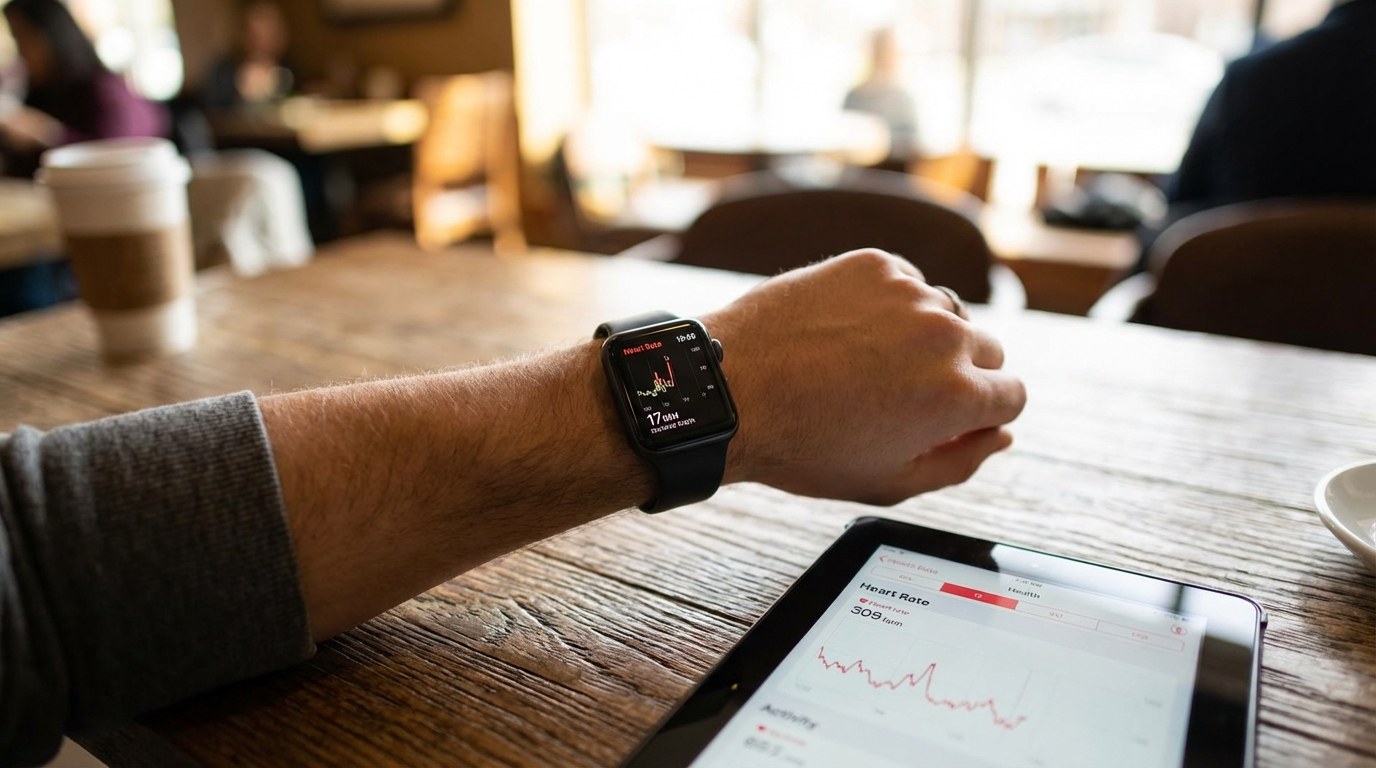
Understanding Heart Rate Variability (HRV) Through Wearable Technology
In recent years, an increasing number of individuals have turned to wearable devices to gain deeper insights into their physiological well-being. Among the many metrics these devices track, Heart Rate Variability (HRV) stands out as a sophisticated indicator of the autonomic nervous system’s activity and overall physiological balance. Far from being a simple measure of heart rate, HRV reflects the subtle, beat-to-beat fluctuations in the time intervals between consecutive heartbeats. This variability is a window into the body’s ability to adapt to stress, recover, and maintain its internal equilibrium. This post will explore the fundamental principles of HRV and delve into the technical mechanisms by which modern wearable technologies capture and interpret this vital data.What is Heart Rate Variability?
Heart Rate Variability refers to the variation in the time interval between successive heartbeats. Unlike a perfectly regular metronome, a healthy heart does not beat with perfectly equal spacing between each beat. Instead, there’s a constant, subtle fluctuation in these intervals. This variability is not random; it is precisely regulated by the autonomic nervous system (ANS), which controls involuntary bodily functions like breathing, digestion, and heart rate. The ANS has two main branches: * **Sympathetic Nervous System:** Often called the “fight or flight” system, it prepares the body for action, generally increasing heart rate and reducing HRV. * **Parasympathetic Nervous System:** Known as the “rest and digest” system, it promotes relaxation and recovery, typically slowing heart rate and increasing HRV. A higher HRV generally indicates a greater capacity for the body to adapt to various situations, suggesting good cardiovascular health and resilience to stress. Conversely, consistently low HRV can be associated with chronic stress, overtraining, fatigue, or certain underlying health conditions.The Science Behind HRV Measurement
Measuring HRV relies on precisely timing the intervals between consecutive heartbeats. These intervals are known as RR intervals (referring to the R-wave in an electrocardiogram, which represents ventricular depolarization) or inter-beat intervals (IBIs). The accuracy of HRV measurement is directly dependent on the precision with which these RR intervals can be detected and recorded.The Role of RR Intervals
Each heartbeat is a complex electrical and mechanical event. To calculate HRV, devices must accurately identify the peak of each ventricular contraction, known as the R-peak on an ECG. The time duration between two consecutive R-peaks provides the raw data for HRV analysis. Minute fluctuations in these intervals, often on the order of milliseconds, are what constitute HRV.Why Precision Matters
Given that HRV analysis deals with very small changes in time, any inaccuracies in detecting the precise timing of heartbeats can significantly skew the results. For instance, an error of just a few milliseconds in identifying an R-peak can lead to incorrect HRV calculations, making the data less reliable for interpretation. This demand for precision drives the engineering and algorithmic development in wearable HRV technology.Wearable Technologies for HRV Measurement
Wearable devices utilize different sensing technologies to capture the physiological signals necessary for calculating HRV. The two primary methods employed are Photoplethysmography (PPG) and Electrocardiography (ECG).Photoplethysmography (PPG)
Most wrist-worn wearables, smart rings, and some ear-worn devices rely on PPG technology. * **How it Works:** PPG sensors emit light (typically green LED light for wrist-worn devices, or infrared light for other placements) into the skin. This light penetrates the tissue and is reflected back to a photodetector. The amount of light absorbed and reflected changes with blood volume fluctuations within the capillaries. * **Pulse Wave Detection:** As the heart pumps blood, the arteries and capillaries expand and contract, causing changes in blood flow and volume. These changes affect how much light is absorbed and reflected, creating a pulsatile waveform. * **Inferring Heartbeats:** The peaks of these pulse waves correspond to the ejection of blood from the heart, which closely follows the electrical event of a heartbeat. Wearables detect these peaks to approximate the inter-beat intervals. While PPG is convenient for continuous monitoring, it is susceptible to motion artifacts. Movement can disrupt the sensor’s contact with the skin or introduce noise into the light signal, making accurate peak detection challenging.Electrocardiography (ECG)
ECG-based measurement is generally considered the gold standard for HRV analysis due to its direct measurement of the heart’s electrical activity. * **How it Works:** ECG sensors detect the tiny electrical impulses generated by the heart as it beats. These electrical signals are picked up by electrodes placed on the skin. * **Direct R-peak Detection:** The characteristic waveform produced by an ECG clearly shows the R-peak, which represents the depolarization of the ventricles. This allows for extremely accurate identification of the precise moment of each heartbeat. * **Device Types:** ECG functionality for HRV is found in dedicated chest strap monitors, some smartwatches (often requiring specific hand placement for a spot reading), and specialized medical-grade devices. ECG offers superior signal quality for HRV, especially regarding the precision of R-peak detection. However, continuous ECG monitoring can be less convenient for everyday use compared to wrist-worn PPG devices.Data Acquisition and Processing in Wearables
Once raw physiological signals are captured by the sensors, a sophisticated series of steps are performed by the device’s internal algorithms to transform this data into meaningful HRV metrics.Signal Quality and Artifact Detection
The initial challenge for any wearable is to obtain a clean, reliable signal. * **Motion Artifacts:** Movement, poor sensor contact, or even environmental factors like temperature can introduce “noise” into the raw data, especially with PPG. * **Filtering:** Advanced algorithms are employed to filter out these artifacts, distinguishing genuine physiological signals from noise. This often involves digital signal processing techniques. * **Irregular Beat Detection:** Algorithms also identify and often correct or exclude anomalous beats (e.g., premature ventricular contractions) that are not representative of normal sinus rhythm, as these can significantly distort HRV calculations.Calculating HRV Metrics
After cleaning the signal and accurately identifying the timing of each heartbeat (RR interval), the device’s processor calculates various HRV parameters. While many metrics exist, some commonly reported ones include: * **SDNN (Standard Deviation of NN Intervals):** This is the standard deviation of all normal RR intervals recorded over a specific period. It’s a broad measure of overall HRV and reflects both sympathetic and parasympathetic activity. * **RMSSD (Root Mean Square of Successive Differences):** This metric calculates the root mean square of the differences between successive normal RR intervals. RMSSD is a strong indicator of parasympathetic nervous system activity and is often preferred for short-term HRV measurements, as it is less affected by long-term trends and respiration. * **PNN50 (Percentage of successive normal to normal intervals that differ by more than 50ms):** This is another time-domain measure heavily influenced by parasympathetic activity. These calculations typically require a minimum continuous recording period, often ranging from 1 to 5 minutes for short-term analysis, or an entire sleep cycle for longer-term trends.Factors Influencing HRV Readings
HRV is a highly dynamic metric, sensitive to a multitude of internal and external factors. Understanding these influences is crucial for accurate interpretation of the data. * **Physiological State:** Illness, inflammation, and fatigue typically decrease HRV. * **Physical Activity:** Acute exercise temporarily lowers HRV, followed by an increase during recovery. Chronic overtraining can lead to persistently lower HRV. * **Stress:** Both psychological and physiological stress (e.g., lack of sleep, poor nutrition) generally reduce HRV. * **Sleep:** HRV typically follows a diurnal rhythm, often being higher during deep sleep phases and lower during wakefulness or stressful periods. * **Hydration and Nutrition:** Dehydration and certain dietary choices can impact autonomic balance and, consequently, HRV. * **Caffeine and Alcohol:** Both substances can acutely affect heart rate and HRV, often leading to a decrease in variability. * **Environmental Factors:** Temperature extremes or altitude changes can also influence HRV. * **Genetics and Age:** There are individual differences in baseline HRV, and HRV generally declines with age. To obtain meaningful and comparable HRV data, it is advisable to establish a consistent measurement routine, such as taking a reading at the same time each morning under similar conditions (e.g., immediately after waking, before coffee or strenuous activity).Interpreting HRV Data
Interpreting HRV data from wearables requires a personalized approach. There is no single “normal” HRV value, as it varies significantly between individuals based on age, fitness level, genetics, and lifestyle. * **Establish a Baseline:** The primary utility of HRV lies in tracking individual trends over time rather than comparing to population averages. Establishing a personal baseline by consistently measuring HRV for several weeks is essential. * **Observe Trends:** Look for deviations from your personal baseline. A sustained drop in HRV compared to your norm could indicate increased stress, illness, insufficient recovery, or overtraining. Conversely, an upward trend might suggest improved fitness, better recovery, or reduced stress. * **Context is Key:** Always consider your HRV data in conjunction with other information about your lifestyle, training, sleep, and overall well-being. A low HRV might be explainable by a particularly stressful day, a poor night’s sleep, or the onset of illness. * **Not a Diagnostic Tool:** While HRV can offer valuable insights into your physiological state, it is important to remember that wearable HRV data is not a substitute for professional medical advice or diagnostic testing. Significant or persistent changes should prompt consultation with a healthcare professional.Conclusion
Wearable technology has made the complex physiological metric of Heart Rate Variability accessible to a broad audience, transforming how individuals can monitor their body’s readiness and response to various stressors. By understanding the principles behind PPG and ECG sensing, along with the sophisticated algorithms that process the raw data, users can gain a more informed perspective on the insights their devices provide. While not a standalone diagnostic tool, consistent and contextualized HRV monitoring offers a powerful means to track physiological well-being, manage recovery, and make informed lifestyle adjustments, fostering a deeper connection with one’s own autonomic nervous system. —Frequently Asked Questions (FAQs) About Wearables and HRV
1. What is the difference between heart rate and Heart Rate Variability (HRV)?
Heart rate is the average number of times your heart beats per minute. HRV, on the other hand, measures the subtle variations in the time intervals between individual heartbeats. While heart rate tells you how fast your heart is beating, HRV provides insight into the flexibility and adaptability of your autonomic nervous system, reflecting your body’s stress and recovery balance.2. Are wrist-worn wearables as accurate for HRV as chest straps?
Chest straps typically use ECG technology, which directly measures the heart’s electrical activity and is generally considered more accurate for precise RR interval detection, making them a reference standard for HRV. Wrist-worn wearables primarily use PPG, which infers heartbeats from blood volume changes. While modern PPG sensors have improved significantly, they can be more susceptible to motion artifacts and may offer less precise beat-to-beat timing compared to ECG, especially during activity. For detailed and consistent HRV analysis, ECG-based measurements are often preferred.3. Why does my HRV fluctuate so much day-to-day?
HRV is inherently dynamic and influenced by numerous factors. Daily fluctuations are normal and reflect your body’s ongoing response to various internal and external stressors. Factors such as recent exercise, sleep quality, stress levels, hydration, alcohol consumption, illness, and even time of day can cause your HRV to change. Tracking trends over time, rather than focusing on a single day’s value, provides a more meaningful picture.4. Can HRV be used to predict illness or overtraining?
HRV can serve as a sensitive indicator that your body might be under increased stress or facing a challenge, such as the onset of an illness or the cumulative fatigue from overtraining. A sustained drop in your personal baseline HRV, especially when combined with other symptoms like fatigue or poor performance, can suggest that your body needs more recovery or is fighting something off. However, HRV is an indicator, not a definitive diagnostic tool, and should be interpreted in context with other symptoms and lifestyle factors.5. What is considered a “good” HRV score?
There is no universal “good” HRV score, as it is highly individual and varies significantly with age, fitness level, genetics, and lifestyle. A value that is high for one person might be average for another. The most important aspect of HRV is establishing your personal baseline and monitoring how your HRV trends relative to that baseline over time. An upward trend or maintenance of your baseline often indicates good physiological adaptation and recovery, while a consistent downward trend might signal increased physiological stress.
Diana Miller, is a dedicated nature enthusiast and an outdoor adventurer. She began leading groups for excursions in her teens and never stopped. Following her passion for nature, she gathers her friends for outdoor trips every now and then. And for the last 10 years, she has executed workshops on backpacking, snow kayaking and traveling that included her main motive of lightweight packing while outdoors. During leisure, she loves planning for her next adventure.