
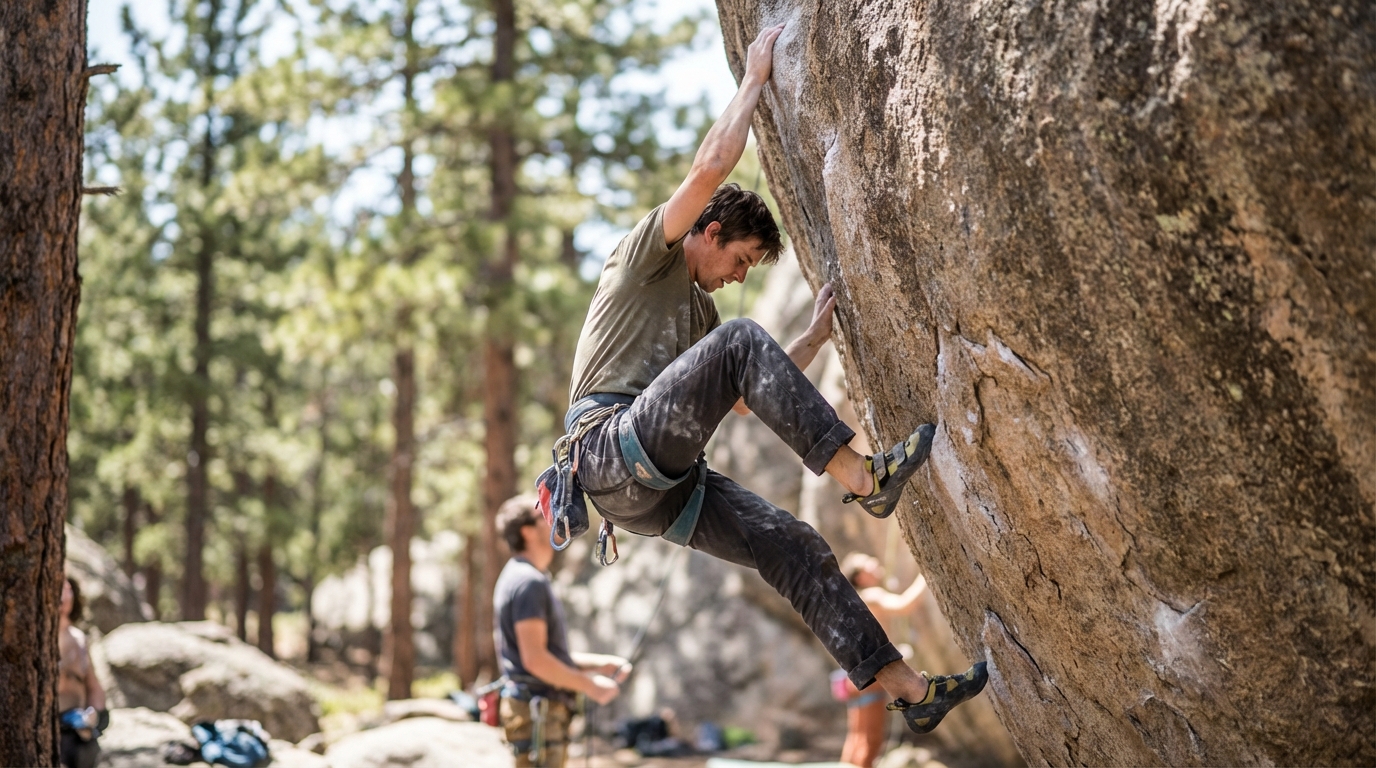
The Crucial Role of Warm-Ups in Preventing Climbing-Related Injuries
Climbing, in its various forms from bouldering to multi-pitch routes, is a physically demanding sport that challenges strength, endurance, flexibility, and mental fortitude. While the thrill of ascending a route is undeniable, the unique stresses it places on the body make climbers susceptible to a range of injuries. Preparing the body thoroughly before engaging in climbing activity is not merely a suggestion but a fundamental practice for long-term participation and well-being. This post will delve into the physiological and mechanical ways in which a well-structured warm-up serves as a critical defense against common climbing-related injuries.Understanding the Physical Demands of Climbing
To appreciate the importance of a warm-up, it is essential to understand the specific physiological stresses climbing imposes. Climbing requires:- Exceptional Grip and Finger Strength: The small muscles and tendons of the forearms and fingers bear immense loads, often supporting the entire body weight.
- Shoulder Stability and Mobility: Dynamic reaching, pulling, and locking off positions place significant strain on the rotator cuff muscles and glenohumeral joint.
- Core Strength: Essential for maintaining body tension, balance, and efficient movement through various positions.
- Leg and Hip Power: For pushing off, flagging, and maintaining balance.
- Flexibility and Range of Motion: Crucial for executing complex moves and reaching distant holds.
- Repetitive and Eccentric Loading: Many movements involve repeated muscle contractions and controlled lowering, which can stress tissues.
The Physiology Behind an Effective Warm-Up
A warm-up is more than just a casual stretch; it’s a deliberate process designed to prepare the body at a cellular and systemic level for the upcoming physical exertion.Increased Blood Flow and Muscle Temperature
- Vasodilation: Light aerobic activity increases heart rate and blood circulation, causing blood vessels to widen. This delivers more oxygen and nutrients to working muscles.
- Enhanced Muscle Pliability: Increased blood flow elevates muscle temperature. Warmer muscles are more elastic and pliable, reducing their susceptibility to tears and strains when stretched or contracted forcefully.
- Improved Metabolic Efficiency: Higher muscle temperatures facilitate enzymatic reactions involved in energy production, allowing muscles to work more efficiently.
Enhanced Neural Activation
- Nerve Impulse Conduction: Warmer nerve fibers transmit signals more rapidly and efficiently between the brain and muscles.
- Motor Unit Recruitment: A warm-up primes the neuromuscular system, improving the coordination and recruitment of motor units. This enhances muscle activation and response time, which is vital for precise movements and maintaining balance on the wall.
- Proprioception: The body’s awareness of its position in space is sharpened, leading to better control and reduced risk of awkward movements.
Synovial Fluid Production
- Joint Lubrication: Movement stimulates the production of synovial fluid within joint capsules. This fluid lubricates the joint surfaces, reducing friction and allowing for smoother, less restrictive movement.
- Cartilage Nourishment: Synovial fluid also helps nourish the articular cartilage, which is essential for joint health and resilience under load.
Psychological Readiness
- Mental Focus: The warm-up period provides an opportunity to shift focus, mentally prepare for the climbing session, and visualize movements.
- Reduced Anxiety: A structured routine can help alleviate pre-climb jitters, promoting a more calm and focused approach.
Specific Mechanisms of Injury Prevention Through Warming Up
The physiological changes induced by a warm-up directly translate into several injury prevention benefits.Reducing Muscle Strain and Tears
When muscles are cold and stiff, they are more prone to overstretching and tearing under sudden loads or during movements at the extremes of their range. A warm-up increases muscle elasticity, allowing them to lengthen and contract more safely and effectively. This is particularly important for the small, intricate muscles of the forearms and shoulders that are heavily loaded in climbing.Protecting Tendons and Ligaments
Tendons and ligaments, being less elastic and having poorer blood supply than muscles, adapt more slowly to stress. A gradual warm-up increases blood flow to these connective tissues, making them slightly more pliable and resilient. It also gradually introduces load, preparing them for the intense forces they will endure. This progressive loading is crucial for preventing conditions like tendonitis (inflammation) or even acute ruptures.Enhancing Joint Stability and Range of Motion
Lubricated joints, supported by activated muscles surrounding them, are more stable. The increased range of motion achieved through dynamic warm-up exercises allows climbers to reach holds more comfortably and efficiently, reducing the risk of forcing positions that could lead to impingement or sprains. Better joint mobility, coupled with improved neuromuscular control, ensures that joints move through their intended pathways without undue stress.Improving Proprioception and Coordination
Climbing demands precise movements and quick adjustments. An activated nervous system, enhanced by a warm-up, improves proprioception (the sense of where the body is in space) and coordination. This helps climbers execute movements with greater accuracy, react appropriately to unexpected slips or shifts in balance, and avoid awkward positions that can lead to falls or strains.Components of an Effective Climbing Warm-Up
A comprehensive climbing warm-up typically progresses through several phases, gradually increasing in intensity and specificity.General Aerobic Activity (5-10 minutes)
This initial phase aims to gently elevate the heart rate and core body temperature.- Light cardio: Examples include gentle jogging, cycling, jumping jacks, or brisk walking around the gym.
- Purpose: To kickstart blood flow and prepare the cardiovascular system.
Dynamic Stretching and Mobility (5-10 minutes)
This phase involves controlled movements that take joints and muscles through their full range of motion. Unlike static stretching (holding a stretch), dynamic movements prepare the body for activity.- Arm circles: Forward and backward, varying sizes.
- Torso twists: Gentle rotation of the upper body.
- Leg swings: Forward/backward and side-to-side.
- Shoulder rotations and scapular activations: To prepare the critical shoulder girdle.
- Wrist circles and finger extensions: To mobilize the hands and fingers.
- Cat-cow stretches: For spinal mobility.
Climbing-Specific Activation (10-15 minutes)
This phase focuses on movements that mimic climbing and gradually increase the load on relevant muscles and joints.- Easy Traversing or Low-Intensity Routes: Start with very easy climbs, focusing on controlled movement, good technique, and gentle engagement of fingers and feet. The goal is not to try hard, but to move smoothly.
- Ladder Drills or Easy Bouldering: Progress to slightly more challenging movements without reaching muscle fatigue. Pay attention to body positioning and core engagement.
- Finger and Grip Specific Activation: This might involve very light hangs on an hangboard or campus board, gentle resistance band exercises for finger extensors, or controlled open-hand grips on larger holds.
- Gradual Increase in Intensity: Slowly progress to climbs that are moderately challenging, but still well within your comfort zone, before attempting your project climbs.
Conclusion
Integrating a consistent and structured warm-up routine into every climbing session is a powerful strategy for injury prevention. By elevating muscle temperature, increasing blood flow, enhancing neural activation, lubricating joints, and improving psychological readiness, warm-ups prepare the body for the unique stresses of climbing. This proactive approach not only safeguards against acute injuries like strains and sprains but also contributes to the long-term health and resilience of the tissues involved, ultimately fostering a more sustainable, enjoyable, and progressive climbing journey. Prioritizing warm-ups is an investment in your climbing longevity.Frequently Asked Questions (FAQs)
1. How long should a warm-up typically last before climbing?
A comprehensive warm-up for climbing generally lasts between 20 to 30 minutes, encompassing general aerobic activity, dynamic stretching and mobility, and climbing-specific activation. The exact duration can be adjusted based on the individual’s experience level, the intensity of the planned climbing session, and environmental factors like ambient temperature.2. Is static stretching recommended before climbing?
While static stretching (holding a stretch for an extended period) is beneficial for improving overall flexibility, it is generally advised against *before* climbing or intense physical activity. Studies suggest that static stretching immediately prior to activity can temporarily decrease power output and may not contribute to injury prevention in the same way dynamic movements do. Dynamic stretches and mobility exercises are more appropriate for pre-climb preparation.3. Can a warm-up prevent all climbing injuries?
No single preventative measure can eliminate all risks of injury. While a thorough warm-up significantly reduces the likelihood of many common climbing injuries, factors such as overtraining, poor technique, inadequate recovery, sudden high-impact events (e.g., falls), and pre-existing conditions can still contribute to injuries. A warm-up is one crucial component of a holistic injury prevention strategy.4. What are some signs that a warm-up was insufficient?
Signs of an insufficient warm-up might include feeling stiff or sluggish during the initial climbs, experiencing a lack of coordination, struggling with movements that are typically easy, or sensing minor aches or tightness in muscles or joints early in the session. An effective warm-up should leave you feeling warm, mobile, and ready to perform without feeling fatigued.5. Should I warm up even for a short climbing session?
Yes, warming up is important regardless of the length or perceived intensity of the climbing session. Even a short session can place significant demands on cold tissues. While the warm-up might be slightly abbreviated, the fundamental principles of gradually preparing the body remain crucial to reduce injury risk and optimize performance for any amount of climbing activity.
Diana Miller, is a dedicated nature enthusiast and an outdoor adventurer. She began leading groups for excursions in her teens and never stopped. Following her passion for nature, she gathers her friends for outdoor trips every now and then. And for the last 10 years, she has executed workshops on backpacking, snow kayaking and traveling that included her main motive of lightweight packing while outdoors. During leisure, she loves planning for her next adventure.