
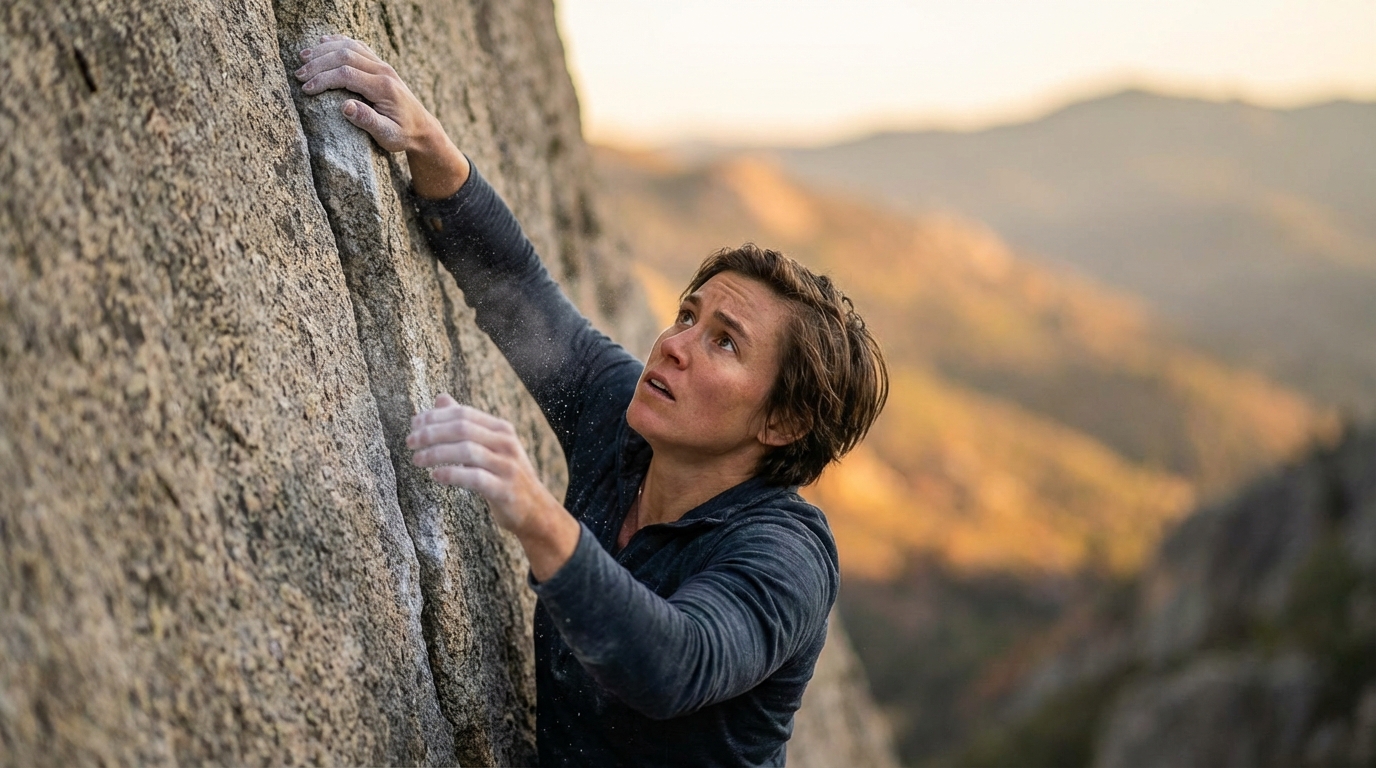
Climbing is a sport frequently associated with physical prowess – strong fingers, powerful arms, and enduring stamina. While these attributes are undeniably fundamental, they represent only one facet of a successful ascent. Beyond the visible muscles and practiced techniques lies a crucial, often underestimated element: mental focus. The ability to direct and sustain attention, manage emotions, and maintain clarity under pressure profoundly impacts every aspect of a climber’s performance, influencing everything from safety and efficiency to the ultimate success of a climb.
The Foundational Role of Mental Focus
Imagine a complex puzzle where each piece represents a hold, a foot placement, or a body movement. Physical strength allows you to manipulate the pieces, but mental focus is what enables you to understand the puzzle, strategize its solution, and execute each step with precision. Climbing, regardless of its discipline, is as much a cognitive challenge as it is a physical one.
Cognitive Demands of Climbing
From the moment a climber eyes a route, a continuous stream of mental processing begins. This involves:
- Route Reading: Analyzing the sequence of moves, identifying potential resting spots, and anticipating challenging sections.
- Movement Planning: Deciding on hand and foot placements, body positions, and the timing of dynamic or static movements.
- Sensory Integration: Processing feedback from the rock texture, grip security, and body tension.
- Adaptation: Adjusting plans in real-time due to unforeseen difficulties, changing conditions, or unexpected fatigue.
Each of these demands requires intense concentration and an unwavering presence of mind. Without it, even the most physically capable climber can become inefficient, make errors, or falter.
Beyond Physical Prowess
Mental focus serves as the bridge between raw physical capability and effective execution. It enables climbers to:
- Sustain effort when muscles are burning.
- Overcome the fear of falling or failure.
- Make crucial decisions under pressure.
- Maintain a fluid, efficient climbing style.
- Learn and adapt from both successes and challenges.
It’s the internal compass that guides a climber through the physical and psychological labyrinth of an ascent.
Key Aspects of Mental Focus in Climbing
Mental focus is not a monolithic concept; it comprises several interconnected elements that climbers consciously or unconsciously employ.
Concentration and Attention Control
This is the bedrock of mental focus. It involves the ability to:
- Filter Distractions: Ignoring internal chatter (self-doubt, fatigue) and external stimuli (other climbers, noise, weather).
- Sustain Attention: Remaining fully engaged with the immediate task – the next hold, foot placement, or breath – for extended periods.
- Shift Focus Appropriately: Moving attention from a broad view (route reading) to a narrow, specific point (a tricky foot sequence) as needed.
A lapse in concentration can lead to missed holds, inefficient movements, or even dangerous errors.
Self-Efficacy and Confidence
Confidence is a deep-seated belief in one’s capacity to execute a task successfully. In climbing, this translates to:
- Trust in Ability: Believing you possess the strength, skill, and technique required for the current move or section.
- Commitment to Movement: Executing moves decisively rather than tentatively.
- Resilience to Setbacks: Maintaining belief and effort even after a fall or failed attempt.
A strong sense of self-efficacy allows a climber to commit fully and approach challenges with a positive, problem-solving mindset.
Emotional Regulation and Stress Management
Climbing often presents situations that trigger strong emotions such as fear, anxiety, frustration, or even elation. The ability to regulate these emotions is vital for maintaining focus:
- Managing Fear: Employing techniques like controlled breathing or positive self-talk to reduce the paralyzing effects of fear of falling.
- Handling Frustration: Remaining composed when a sequence doesn’t work, rather than allowing anger or self-criticism to cloud judgment.
- Channeling Excitement: Using positive energy without becoming overzealous and making rash decisions.
Effective emotional regulation keeps the mind clear and allows for rational decision-making.
Visualization and Mental Rehearsal
This technique involves mentally practicing a climb or specific moves before physically attempting them. Climbers can:
- Walk Through the Route: Imagine themselves moving up the rock, feeling the holds, and executing the sequence.
- Rehearse Difficult Sections: Repeatedly visualize a specific tricky move until it feels familiar and executable.
Visualization helps build neural pathways, increases confidence, and prepares the mind and body for the physical effort ahead, making movements feel more natural when performed.
Problem-Solving and Decision-Making
Climbing is a continuous stream of micro-problems requiring immediate solutions. Mental focus supports:
- Rapid Assessment: Quickly evaluating options for holds, foot placements, and body positions.
- Strategic Thinking: Choosing the most efficient and effective sequence of moves.
- Dynamic Adaptation: Adjusting plans instantly if a hold breaks, fatigue sets in, or the initial plan proves suboptimal.
The clarity provided by focus allows for quick, sound judgments, which are often the difference between success and failure.
Practical Applications and Cultivation
Mental focus is not an innate trait; it is a skill that can be developed and refined through deliberate practice.
Deliberate Practice
Integrate mental training into every climbing session. This could involve:
- Setting specific mental goals for a climb (e.g., “I will focus on my breathing throughout this route” or “I will stay present and avoid outcome-oriented thoughts”).
- Consciously practicing attention control by selecting a specific cue (like the texture of the rock) and maintaining focus on it.
Mindfulness Techniques
Mindfulness cultivates present-moment awareness, which directly enhances concentration. Practices include:
- Body Scans: Bringing awareness to different parts of the body to recognize tension or relaxation.
- Breath Awareness: Focusing on the sensation of breathing to anchor attention and calm the nervous system.
- Sensory Focus: Deliberately noticing sights, sounds, and sensations around you to stay grounded.
Incorporating mindfulness into daily life can significantly transfer to climbing performance.
Goal Setting and Process Focus
Shift emphasis from solely achieving the summit or “sending” a route to focusing on the process of climbing. Define process-oriented goals such as:
- “Execute each move with precision.”
- “Maintain relaxed shoulders.”
- “Breathe deeply at every rest.”
This approach reduces performance anxiety and enhances concentration on the immediate task.
Post-Climb Reflection
After a climb, take time to reflect not only on physical performance but also on mental aspects:
- “Where was my focus strong?”
- “When did my mind wander, and what triggered it?”
- “How did I manage moments of fear or frustration?”
- “What mental strategy could I employ differently next time?”
This reflective practice aids in identifying patterns and developing targeted mental strategies.
Impact on Performance Across Climbing Disciplines
While fundamental across all climbing forms, the manifestation of mental focus varies:
- Bouldering: Demands intense, short bursts of problem-solving, immediate decision-making, and unwavering commitment on individual moves.
- Sport Climbing: Requires sustained concentration over longer routes, managing “the pump,” efficient pacing, and emotional regulation across multiple cruxes.
- Traditional Climbing: Involves heightened awareness, meticulous gear placement, risk assessment, and prolonged mental endurance over potentially dangerous terrain.
- Multi-Pitch and Big Wall Climbing: Tests extreme mental resilience, sustained focus over hours or days, meticulous planning, and unwavering trust and communication with partners.
Conclusion
Mental focus is not merely an auxiliary skill in climbing; it is an intrinsic and indispensable component of performance. It empowers climbers to unlock their physical potential, navigate challenges with greater proficiency, and cultivate a deeper, more meaningful engagement with the rock. By consciously training and nurturing their mental faculties alongside physical strength, climbers can enhance their capabilities, improve safety, and enrich their overall experience, transforming ascents into true tests of both body and mind.
FAQs
1. What exactly is “mental focus” in climbing?
Mental focus in climbing is the ability to purposefully direct and sustain your attention on relevant cues (e.g., holds, foot placements, body position, breathing) while effectively filtering out distractions, managing emotions, and maintaining a confident, adaptive mindset during an ascent.
2. How does fear impact mental focus during a climb?
Fear can significantly impair mental focus by narrowing attention, making it difficult to perceive all available options on the rock. It can lead to hesitant movements, indecision, or even freezing, preventing the climber from executing moves effectively or adapting to changing situations.
3. Can mental focus be trained like physical strength?
Yes, absolutely. Mental focus is a skill that can be significantly improved through deliberate practice. Techniques such as visualization, mindfulness exercises, structured attention control drills, goal setting (particularly process-oriented goals), and post-climb reflection are effective ways to cultivate and strengthen mental focus.
4. Is mental focus more important for certain types of climbing?
While crucial for all climbing disciplines, the specific demands on mental focus can vary. For bouldering, it might involve intense, short-burst problem-solving; for multi-pitch climbing, it requires sustained mental endurance and resilience over long periods. However, its fundamental importance remains constant across all forms.
5. What role does confidence play in a climber’s mental focus?
Confidence serves as a critical foundation for mental focus. A climber with strong self-efficacy is more likely to trust their abilities, commit to challenging moves, stay present in the moment, and rebound effectively from setbacks. This self-belief reduces internal distractions (like self-doubt) and allows for clearer, more sustained concentration.

Diana Miller, is a dedicated nature enthusiast and an outdoor adventurer. She began leading groups for excursions in her teens and never stopped. Following her passion for nature, she gathers her friends for outdoor trips every now and then. And for the last 10 years, she has executed workshops on backpacking, snow kayaking and traveling that included her main motive of lightweight packing while outdoors. During leisure, she loves planning for her next adventure.